





Factory Introduction
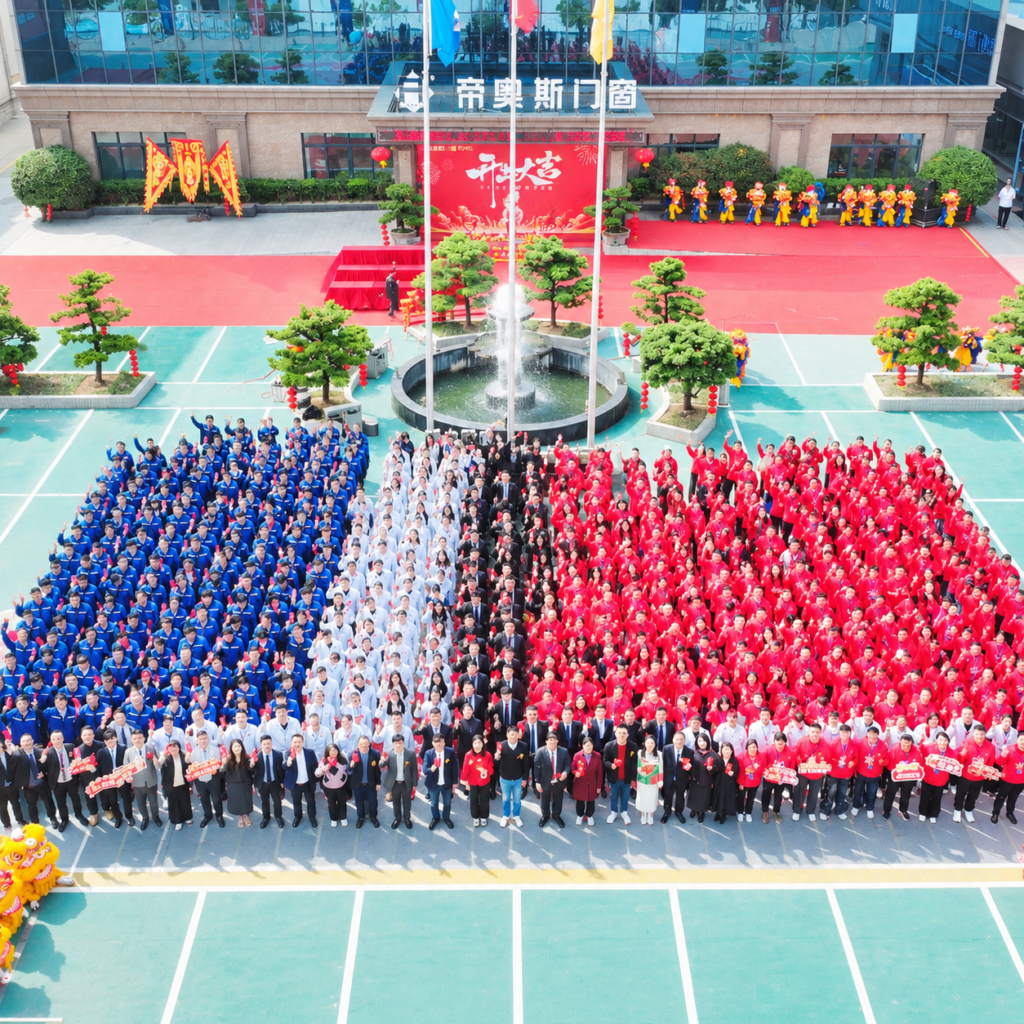
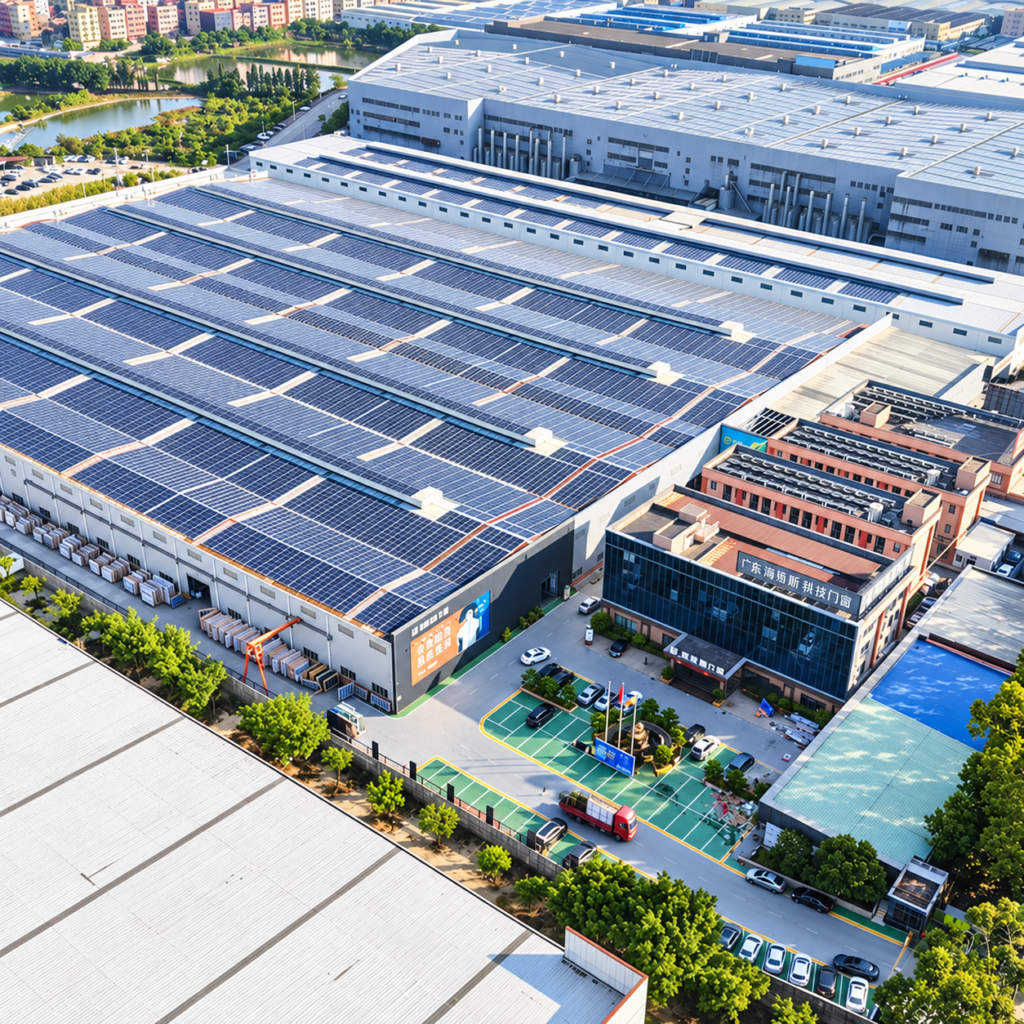
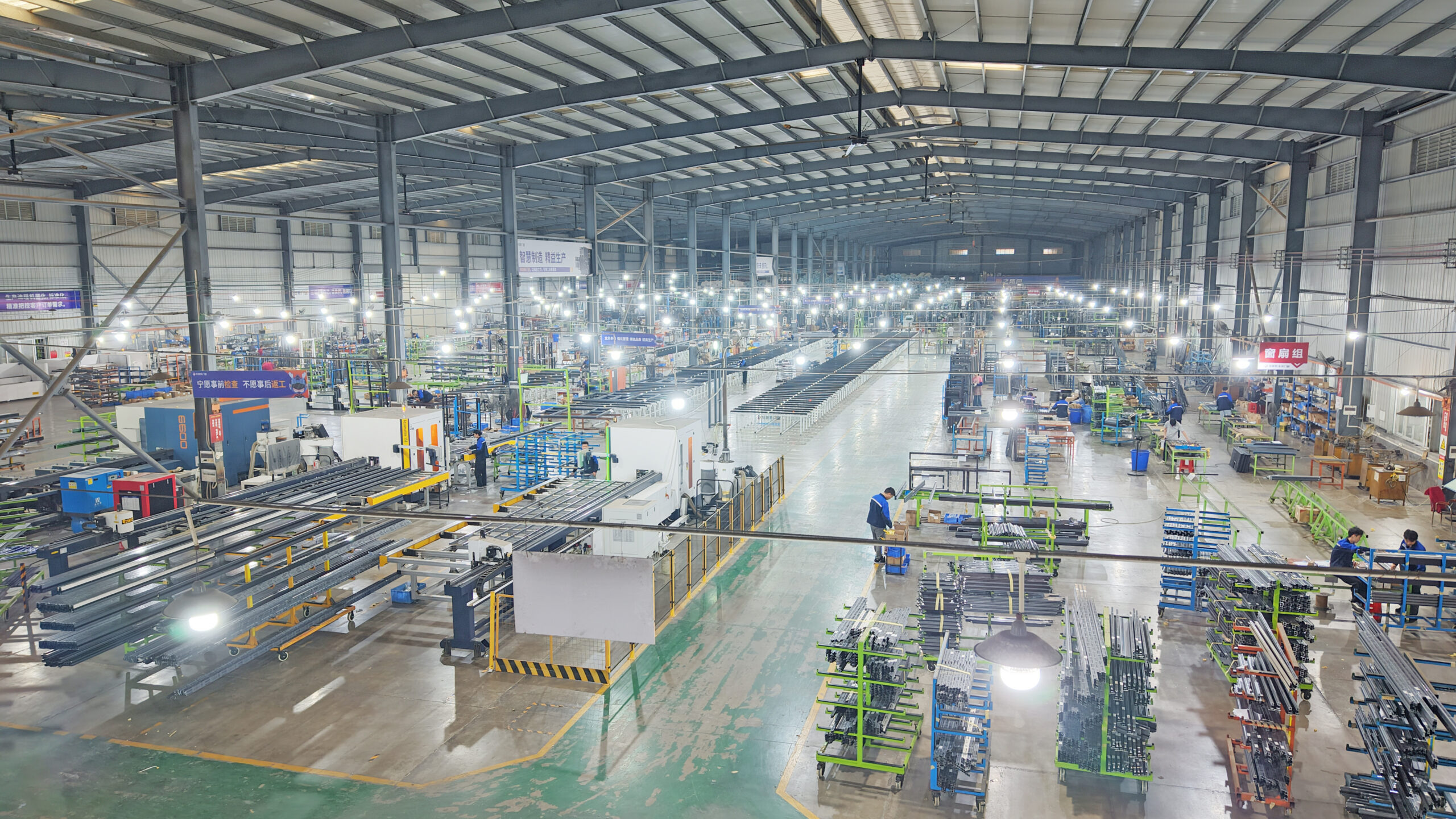
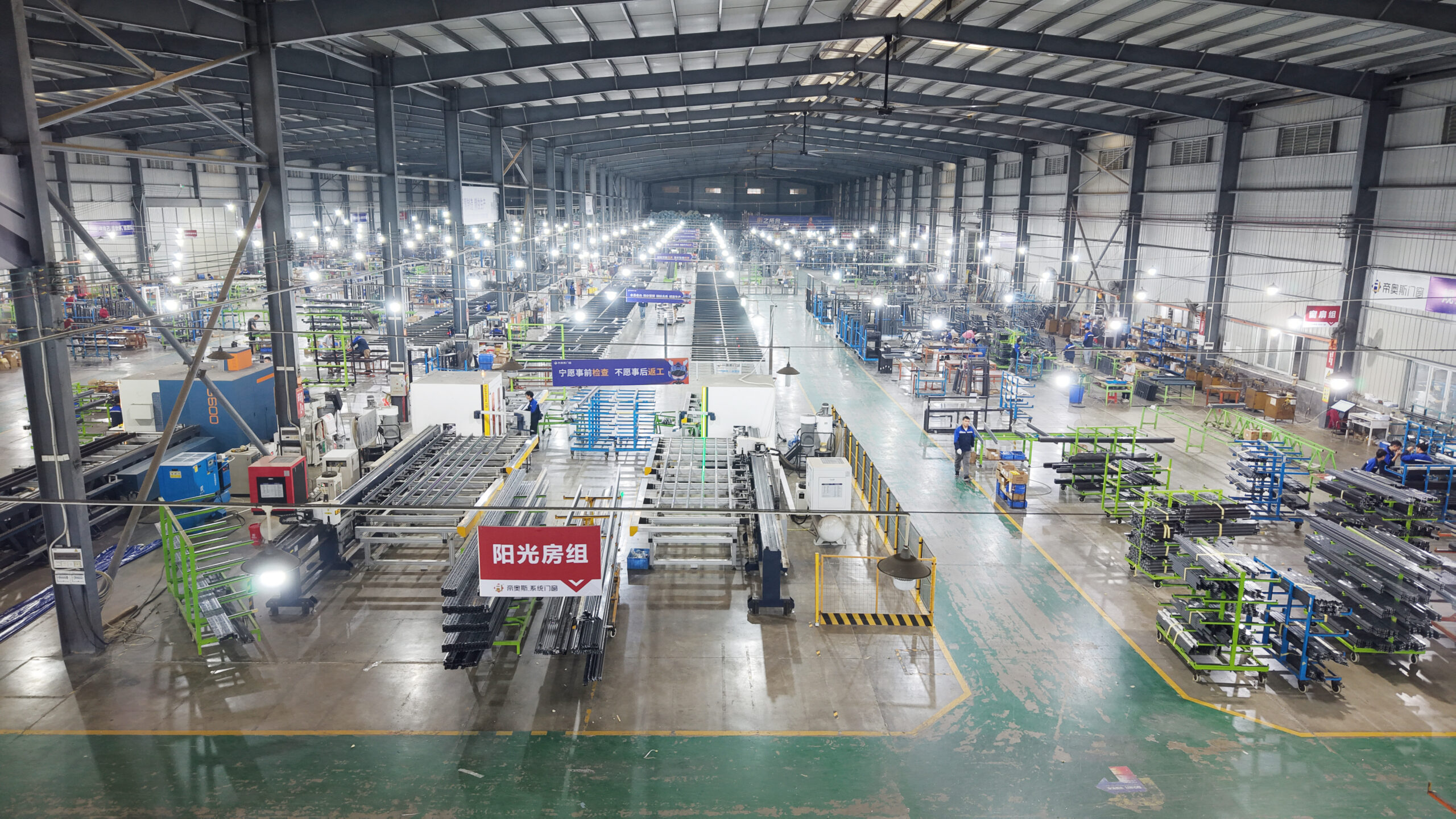
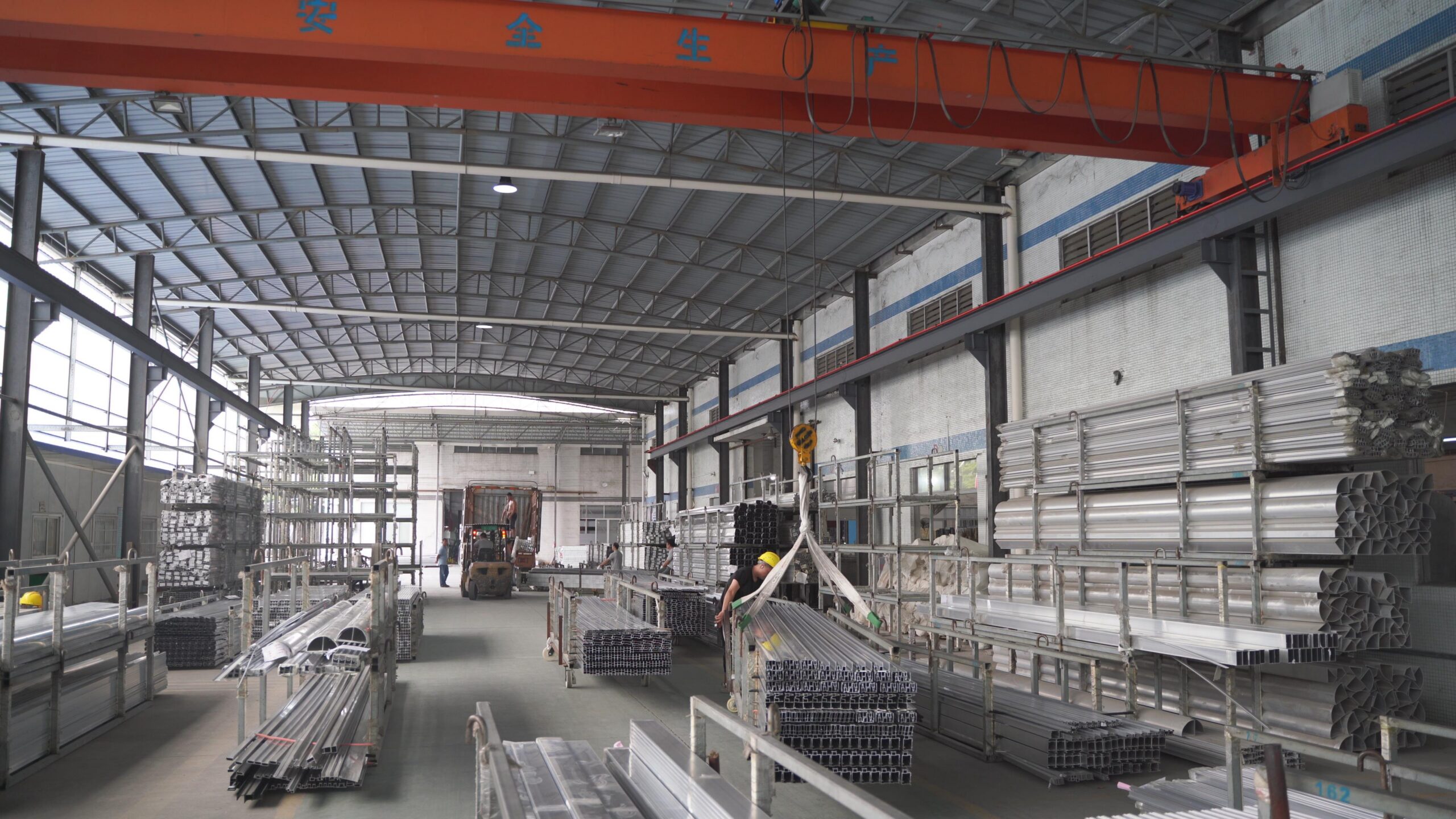
As a China leading windows and doors manufacturer, Hihaus' manufacturing facility focuses on the production of aluminum window and door systems for residential and commercial construction projects.
With dedicated production lines and structured workflows, the factory supports project-based manufacturing, handling custom configurations and system variations required by developers, contractors, and distributors.
Our operations are organized to maintain stable production efficiency while supporting the flexibility needed for project orders.
Aluminum Profile Processing Base
Surface Finishing & Coating Base
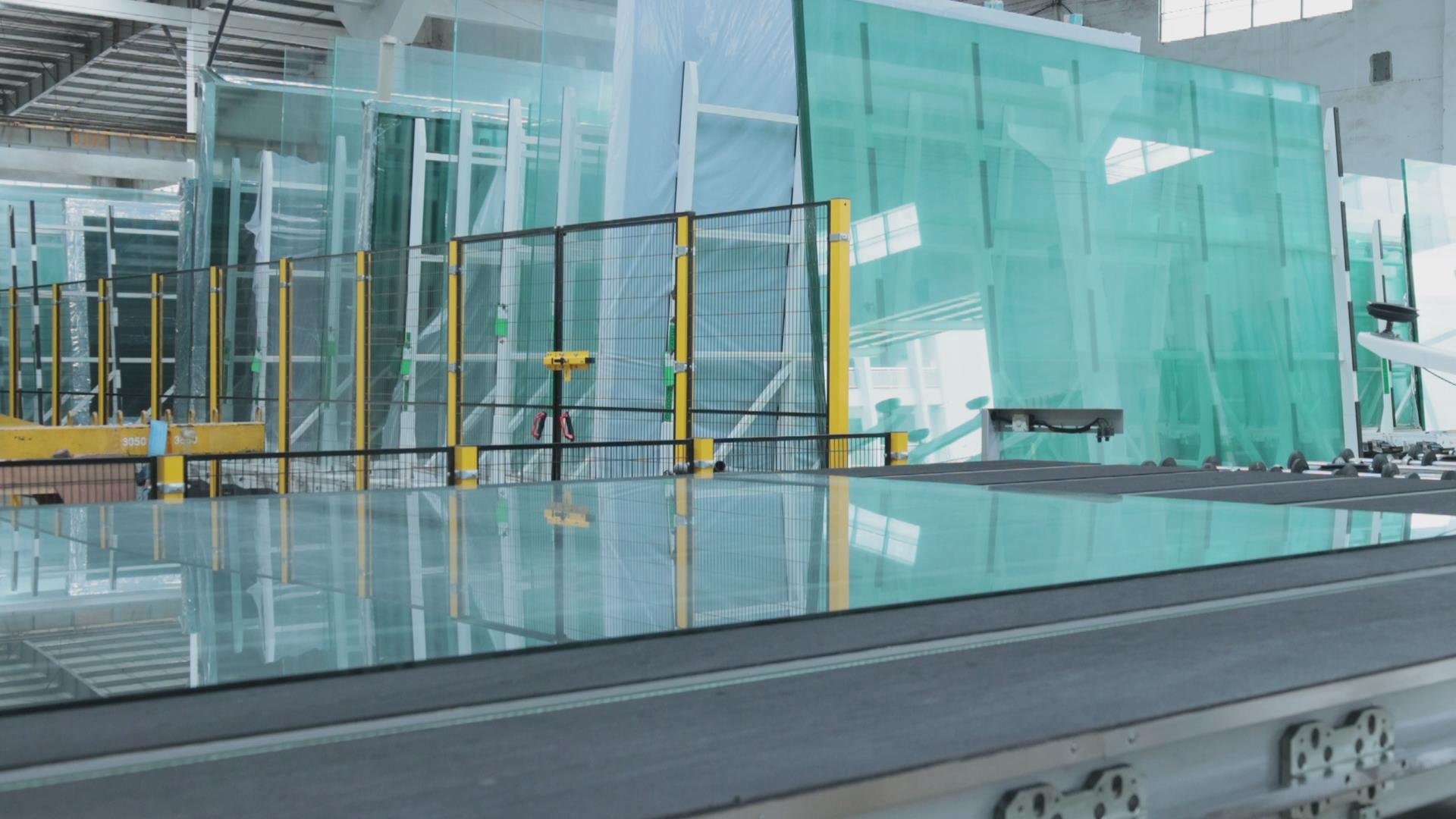
Glass Production Base
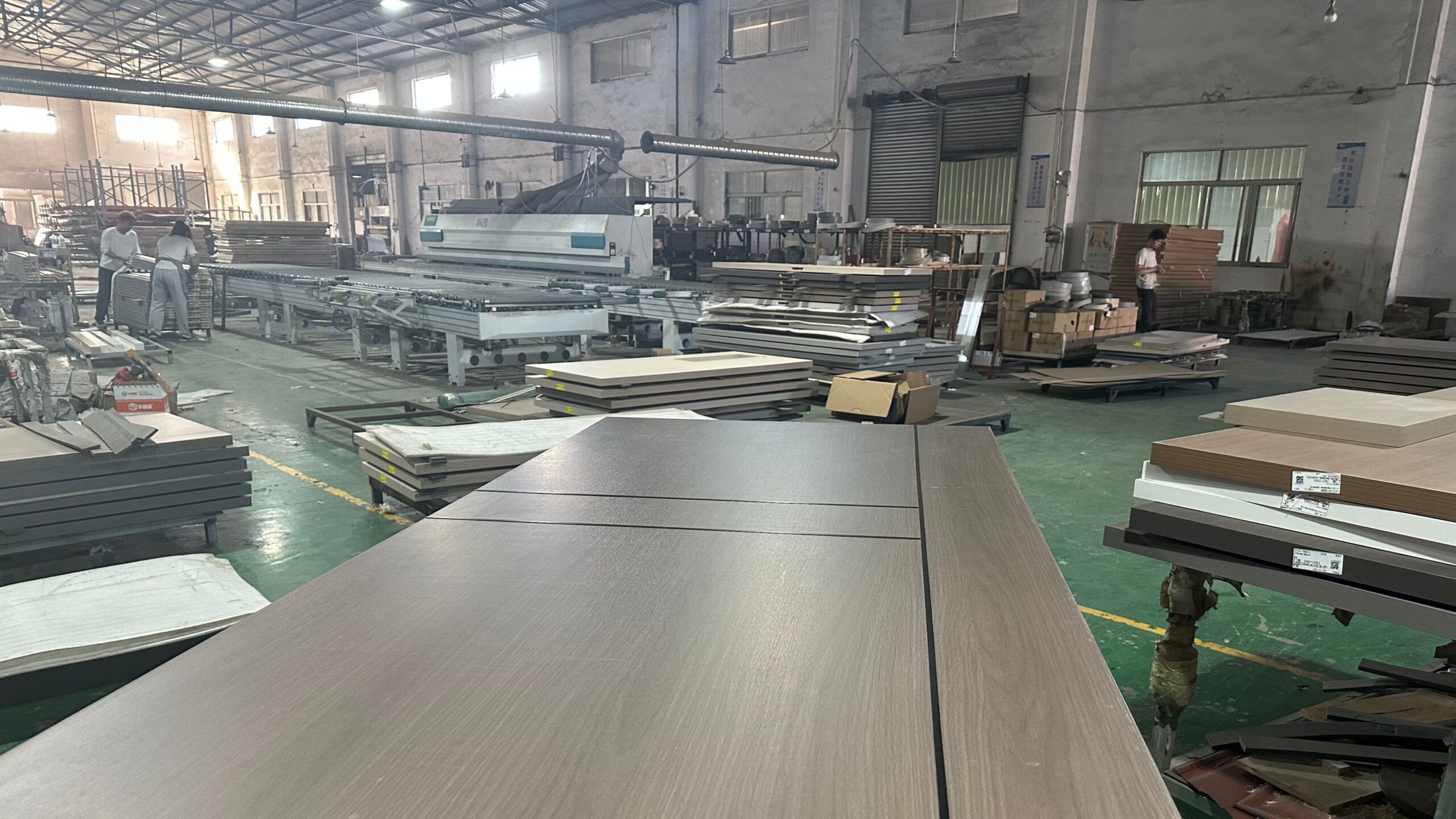
Wooden Door Manufacturing Base
Garage Door Manufacturing Base
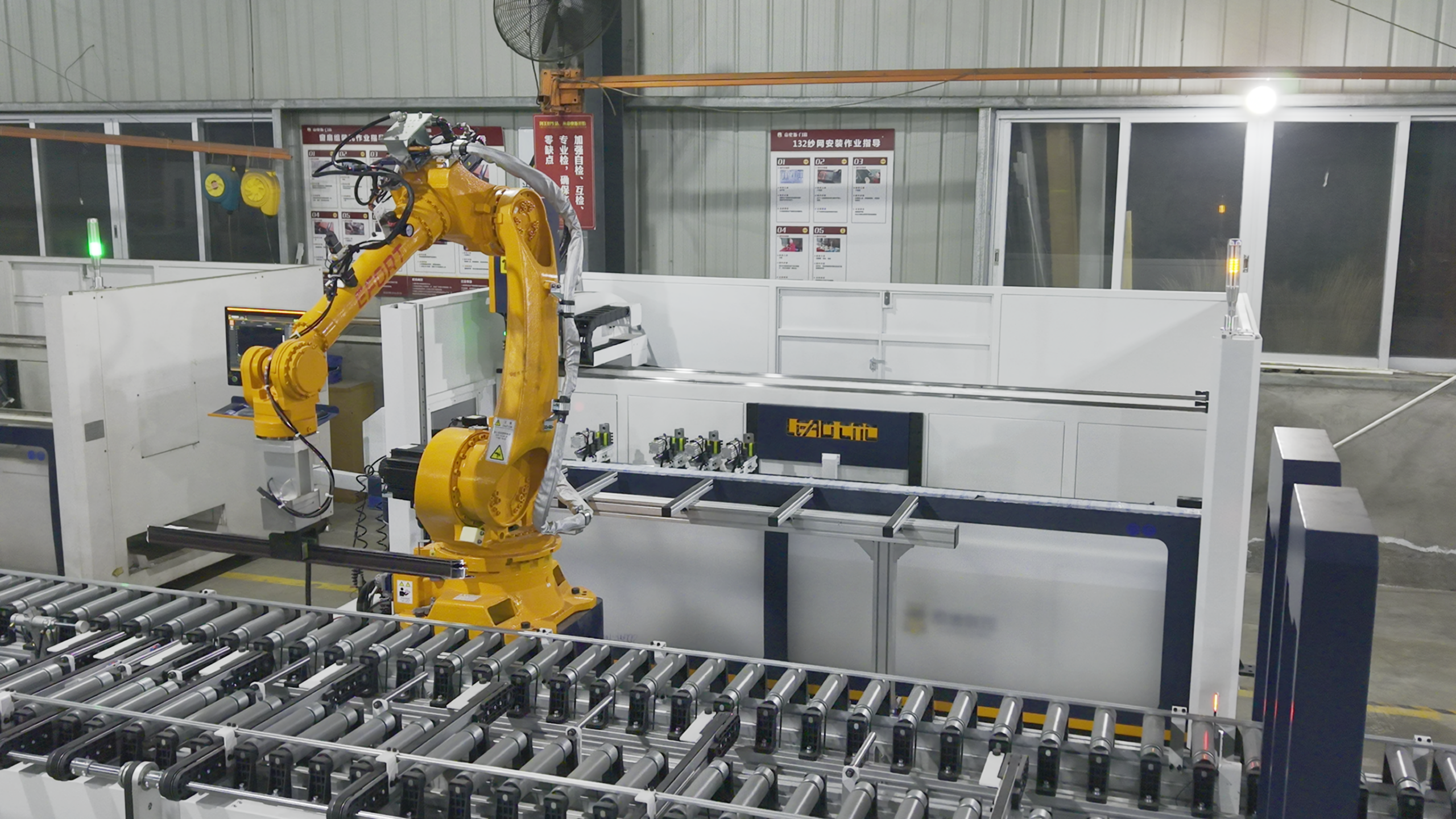
Production Lines & Key Equipment
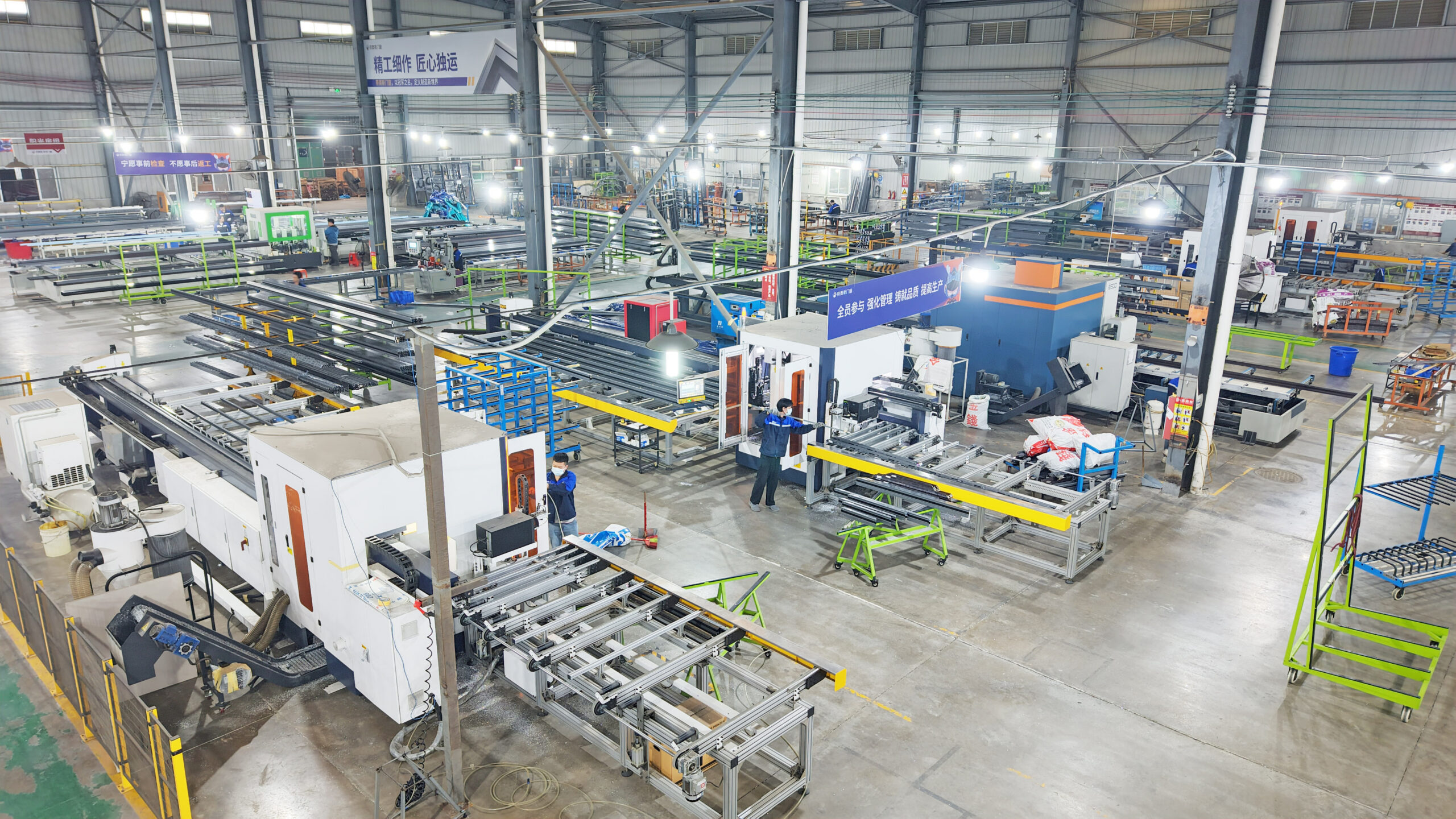
Window & Door Assembly Lines
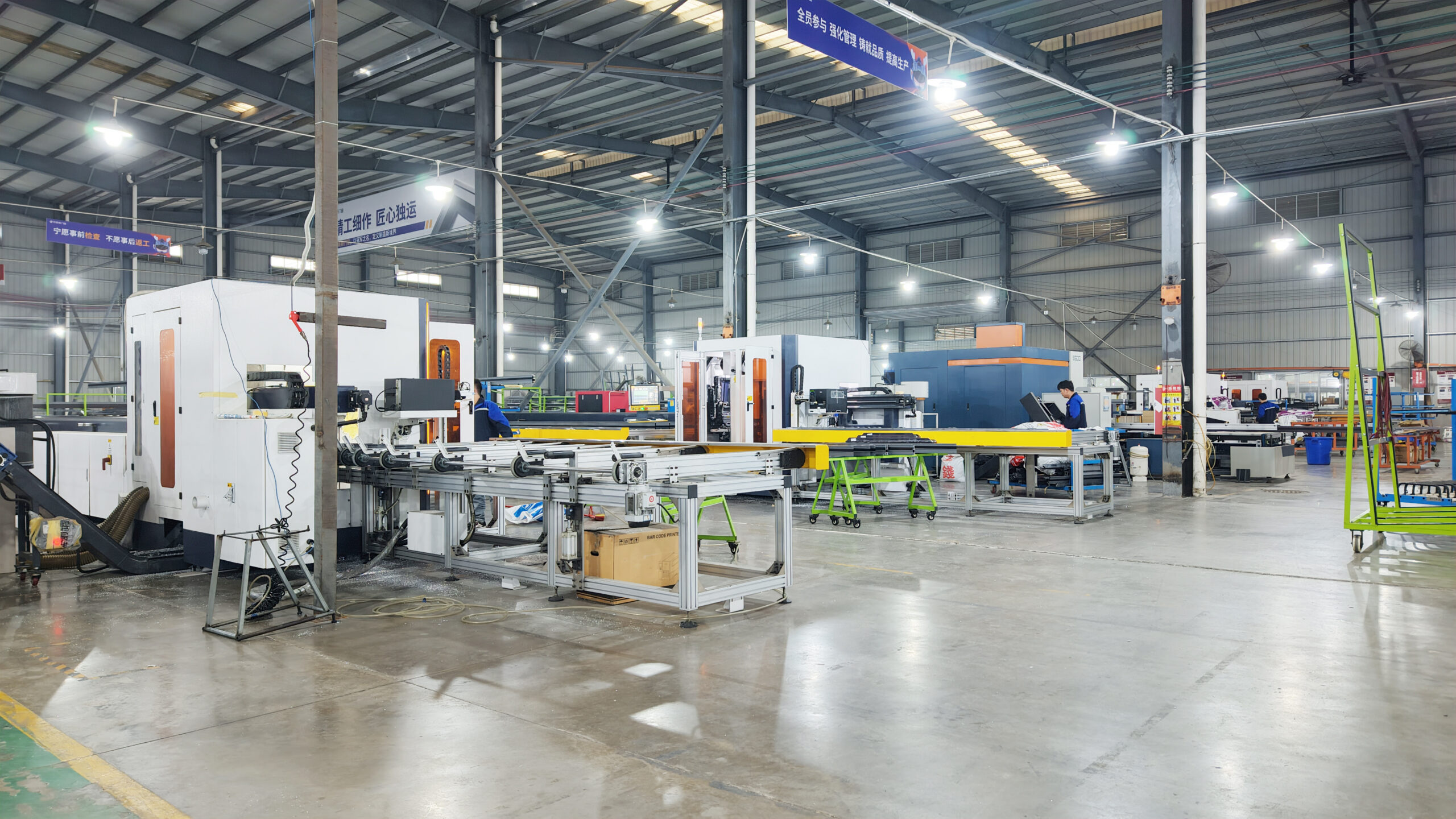
Fully Automated Production Line
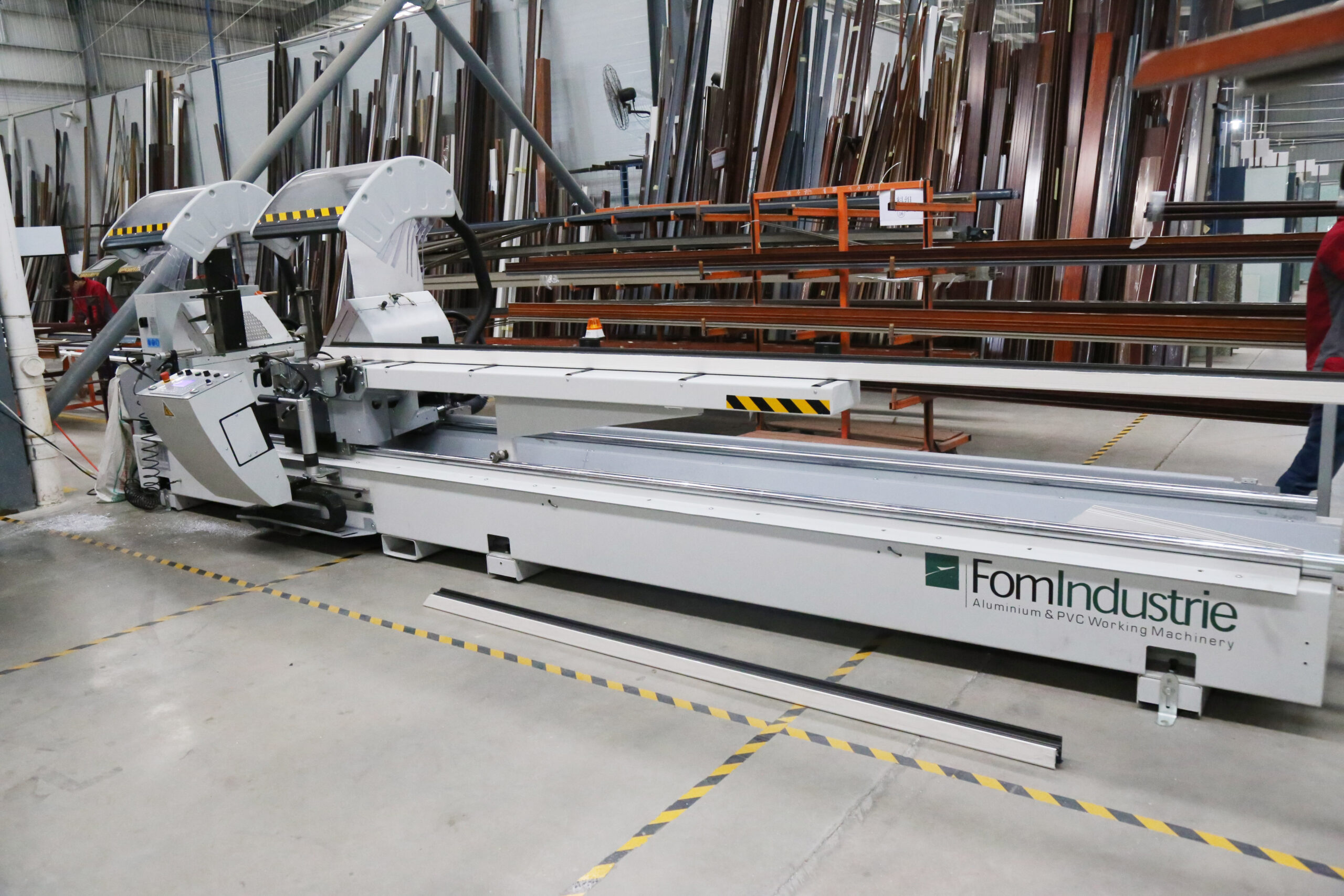
Component Preparation & Finishing
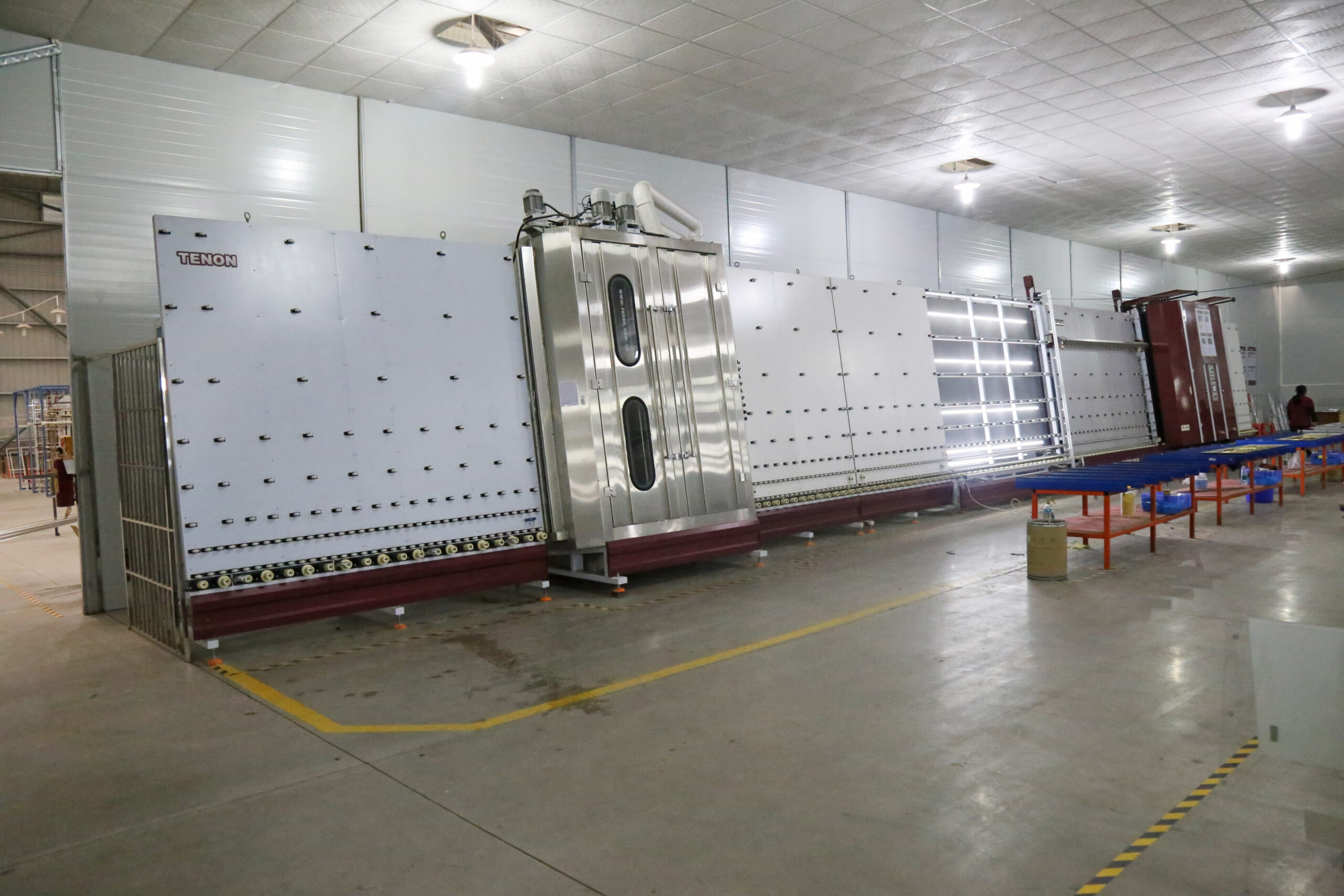
Custom Manufacturing Process
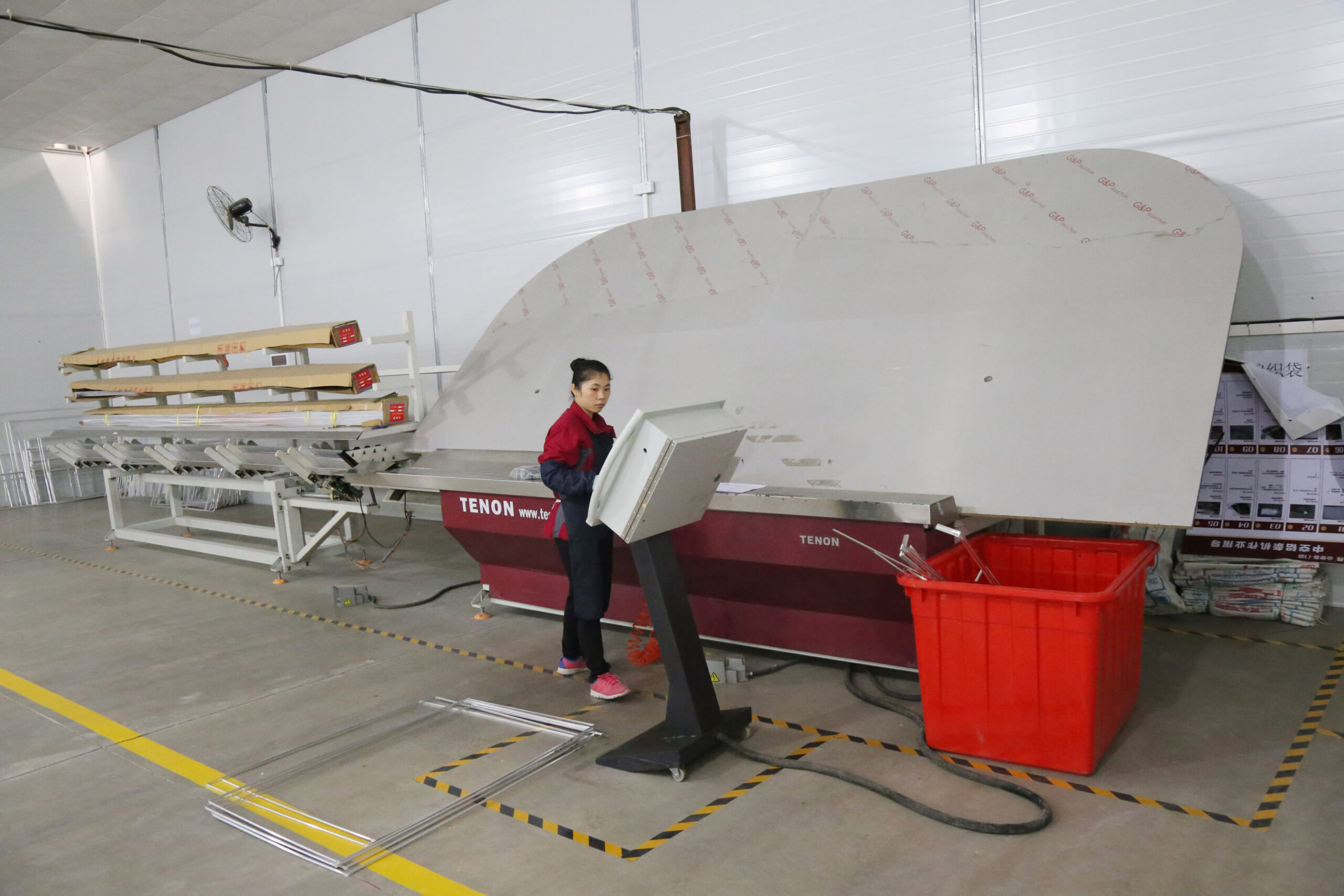
-
Capacity for Project Orders
Our manufacturing system is structured to support project-based production rather than single-product batch manufacturing.
-
Parallel Project Production
Multiple production lines and assembly stations allow different project orders to be processed simultaneously, supporting varying system types and configurations.
-
Structured Production Scheduling
Production planning is coordinated to align with project timelines, ensuring material preparation, machining, and assembly stages progress efficiently.
-
Project-Oriented Manufacturing Approach
Our workflows are designed to support custom specifications, system variations, and phased deliveries required by residential and commercial construction projects.
What Is the Manufacturing Process for Aluminum Doors and Windows?
The manufacturing process for aluminum doors and windows usually includes several key stages: design confirmation, profile selection, aluminum extrusion, cutting, machining, assembly, surface finishing, glass installation, quality inspection, and final packaging.
First, the manufacturer confirms the customer's drawings, dimensions, opening configuration, profile specifications, glass requirements, hardware, and surface finish. Aluminum profiles are then selected according to the required structural performance and application.
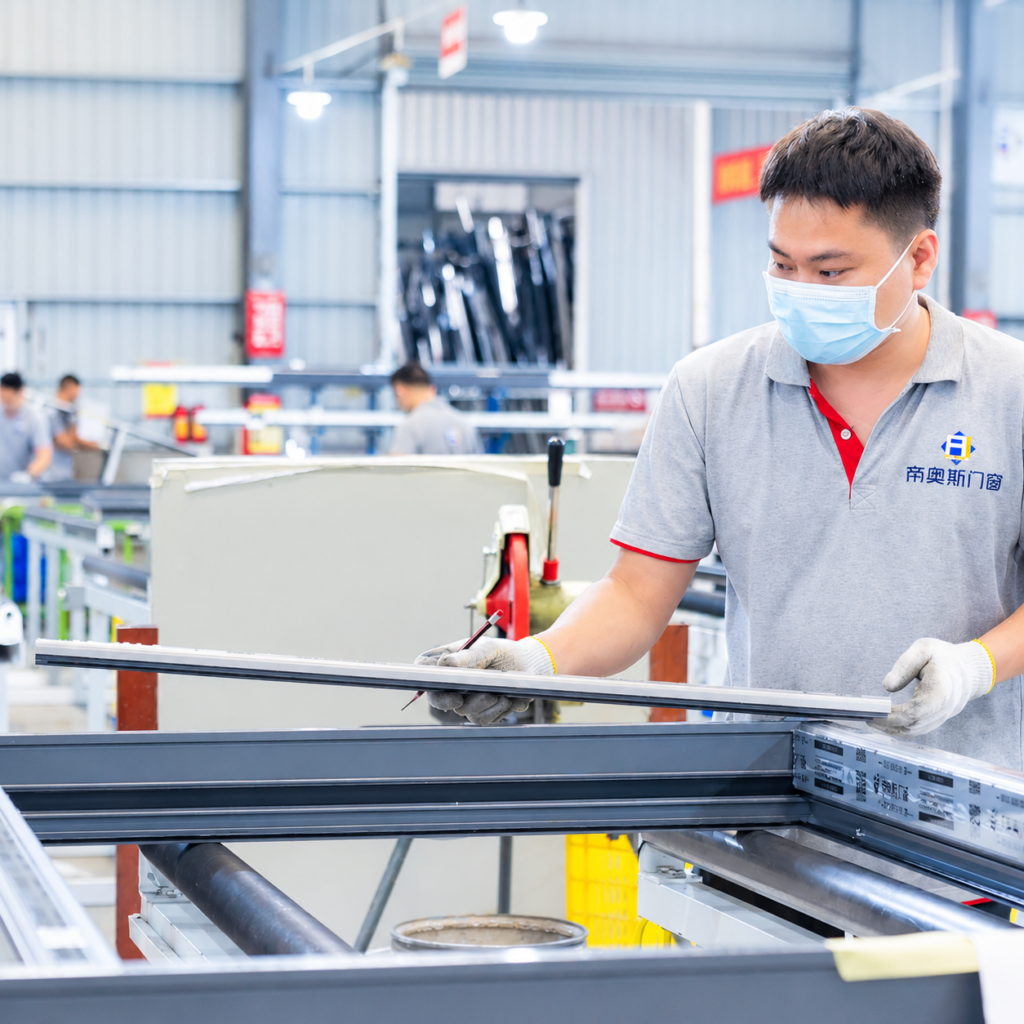
During fabrication, the profiles are accurately cut according to the approved dimensions. CNC machining or other precision equipment may be used to create drainage holes, hardware openings, connection points, and other required details. The individual components are then assembled into complete window or door frames.
Depending on the project, the aluminum surfaces may receive powder coating, anodizing, wood-grain transfer, or PVDF finishing. Glass panels, seals, hardware, and other components are installed after the frame preparation is completed.
Before shipment, the finished products should undergo dimensional, appearance, assembly, sealing, and functional inspections. This step helps ensure that the products manufactured in bulk remain consistent with the approved samples and project specifications.
How Do Aluminum Door and Window Manufacturers Ensure Dimensional Accuracy?
Dimensional accuracy is one of the most important factors in aluminum door and window manufacturing because even small deviations can affect installation, sealing, operation, and overall appearance.
Professional manufacturers normally begin by confirming detailed shop drawings and approved measurements before production. Each aluminum profile is cut according to predetermined dimensions, while CNC machining or precision processing equipment can be used for components that require tighter tolerances.
During production, workers may check the length, width, diagonal dimensions, frame alignment, opening size, and connection positions. For customized projects, these measurements should be compared with the approved drawings rather than relying only on standard product dimensions.
For large projects, production control is particularly important because hundreds or thousands of individual components may need to work together on the same building. A standardized production process helps reduce dimensional variations between different batches.
Before shipping, finished doors and windows should also be assembled or partially tested when necessary. Checking dimensions before the products leave the factory can help identify potential installation problems early and reduce costly modifications at the construction site.
What Surface Finishes Are Available for Custom Aluminum Doors and Windows?
Aluminum doors and windows can be manufactured with several different surface finishes depending on the project's appearance, durability, environmental conditions, and budget.
Powder coating is widely used for residential and commercial projects. It provides a durable colored surface and allows manufacturers to offer a broad range of standard and customized colors.
Anodizing creates an oxide layer on the aluminum surface rather than simply applying a conventional coating. It is commonly selected when customers want a metallic architectural appearance while maintaining good surface durability.
Wood-grain finishes are designed to reproduce the appearance of natural timber while retaining the structural characteristics of aluminum. They are often used for villas, residential developments, and projects requiring a warmer architectural appearance.
PVDF coating is commonly considered for demanding architectural applications, particularly larger commercial projects and curtain wall systems. It can provide strong resistance to weathering and long-term outdoor exposure when properly specified and applied.
The appropriate finish depends on the project's location, exposure conditions, architectural requirements, and expected service life. A professional aluminum window manufacturer should be able to recommend a suitable finish rather than simply offering a color chart.
How Are Glass and Aluminum Frames Assembled During Production?
The assembly process depends on the type of aluminum door or window, but it generally involves preparing the frame, installing seals and hardware, fitting the glass, and checking the finished unit.
After aluminum profiles are cut and machined, the frame components are connected using the specified corner and structural joining methods. Sealing components are then installed in the appropriate locations to improve air and water resistance.
Glass selection and installation are also important. Depending on the project requirements, manufacturers may use clear glass, tempered glass, laminated glass, Low-E glass, tinted glass, or insulated glass units.
The glass must be correctly positioned inside the frame with appropriate setting blocks, gaskets, sealants, or other fixing components. Incorrect positioning can create excessive stress on the glass or affect the operation of the finished product.
After assembly, the manufacturer should check whether the door or window opens and closes smoothly, whether the glass is correctly positioned, whether the frame is properly aligned, and whether visible gaps or sealing problems are present.
For customized architectural projects, the assembly process should follow the approved shop drawings and product specifications rather than relying solely on standard factory procedures.
How Do Aluminum Door and Window Manufacturers Control Quality During Mass Production?
Quality control should take place throughout the entire manufacturing process rather than only during the final inspection.
A professional aluminum door and window factory can establish several inspection stages.
Raw material inspection: Aluminum profiles, glass, hardware, seals, and other components should be checked before production. Profile specifications, surface condition, glass type, and component quantities should correspond with the approved requirements.
Processing inspection: During cutting, drilling, CNC machining, and frame assembly, workers should check dimensions, machining positions, connections, and overall alignment.
Surface inspection: Finished aluminum surfaces should be checked for color consistency, scratches, coating defects, contamination, and other visible problems.
Assembly inspection: Completed doors and windows should be checked for frame alignment, glass installation, seals, hardware, opening and closing performance, and overall appearance.
Final inspection: Before packaging, finished products should be compared against approved drawings, samples, and project specifications. Any defective or inconsistent units should be identified before shipment.