
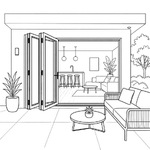




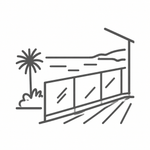



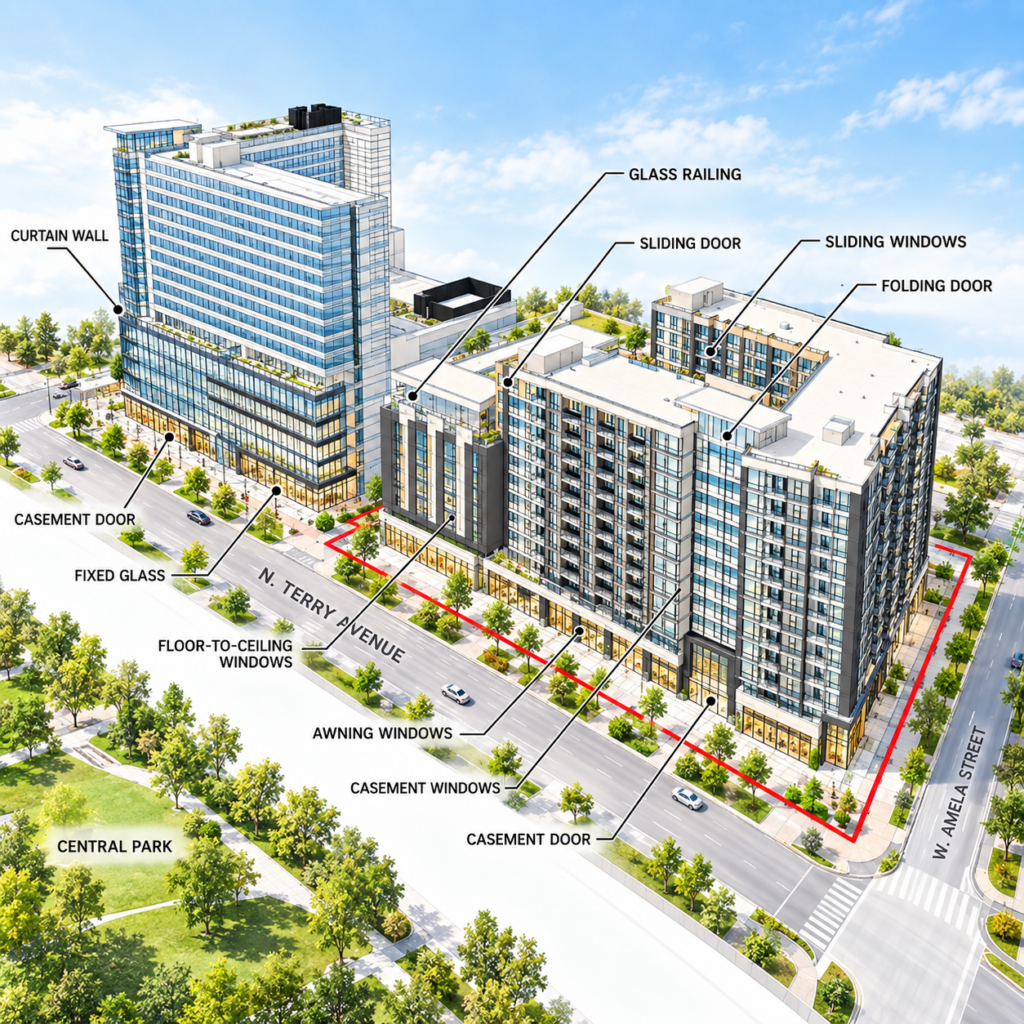
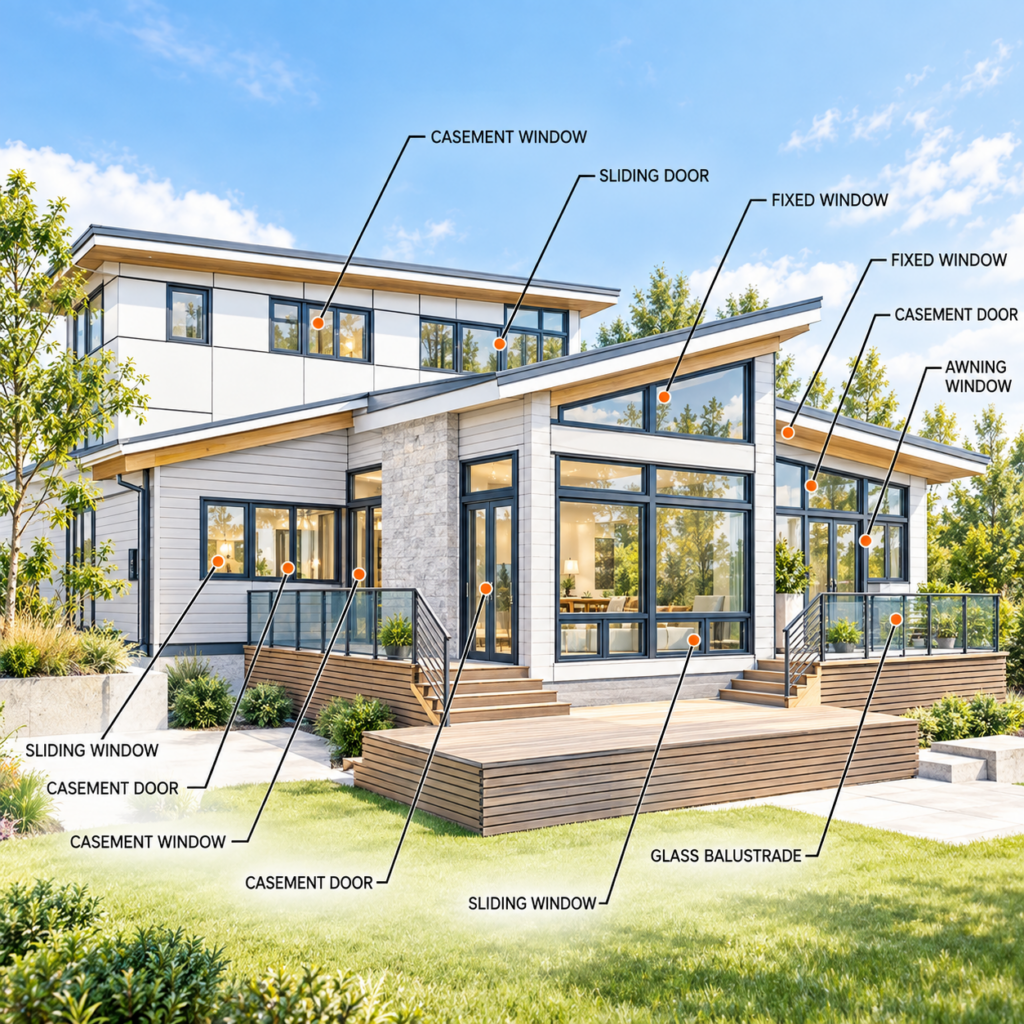

All-Glass Curtain Wall
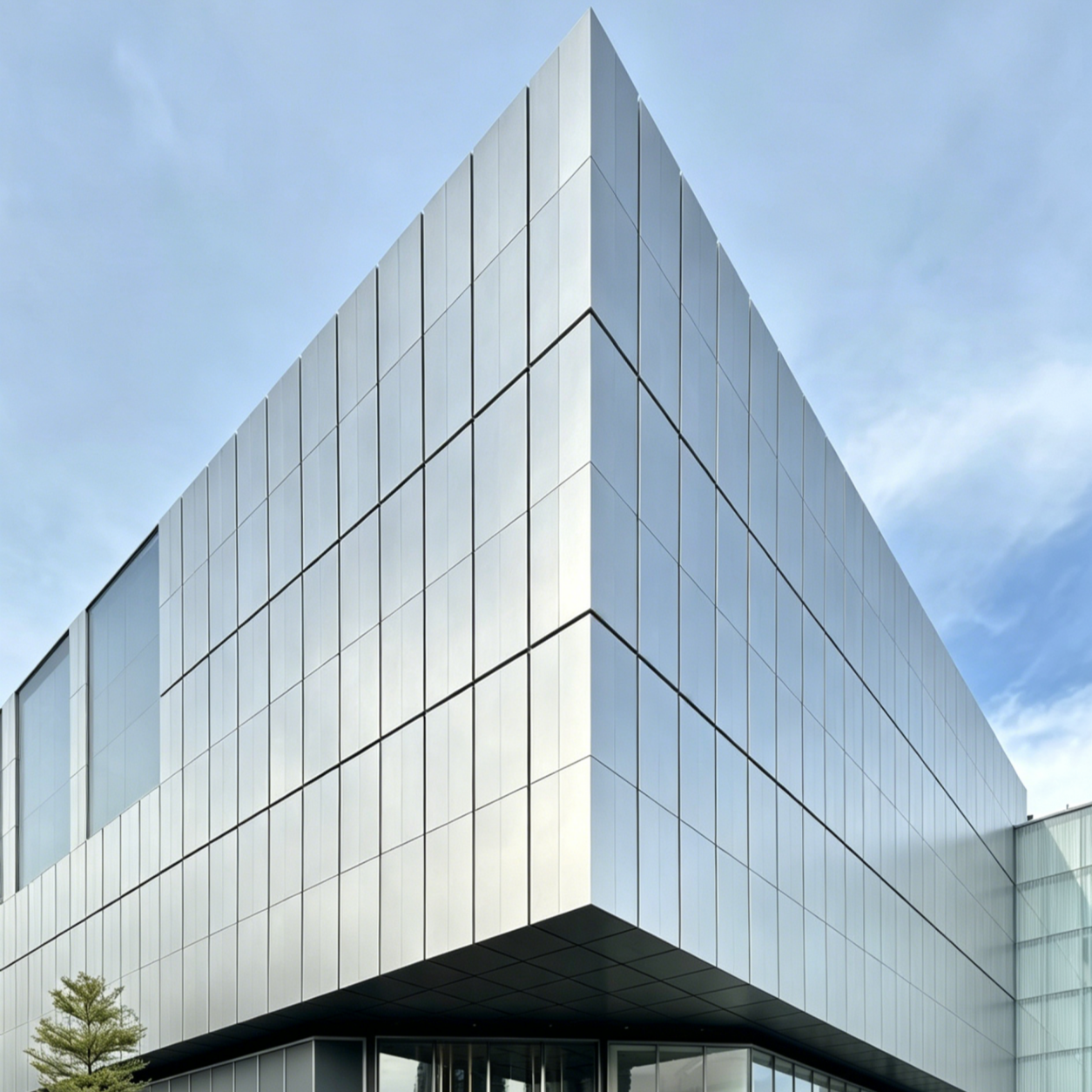
Aluminum Panel Curtain Wall

Exposed Framing Stick Curtain Wall

Frameless curtain wall system
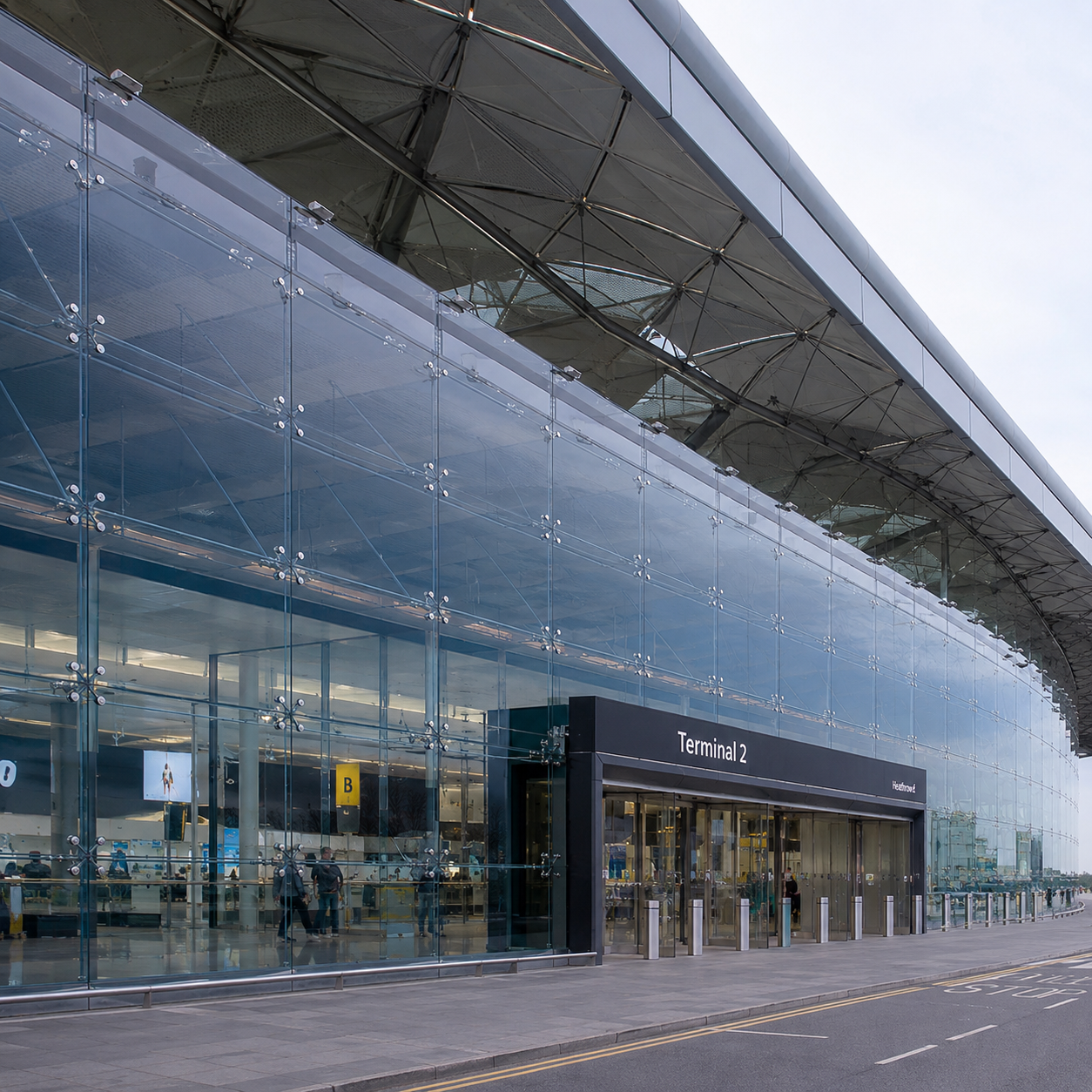
Point-Supported Glass System
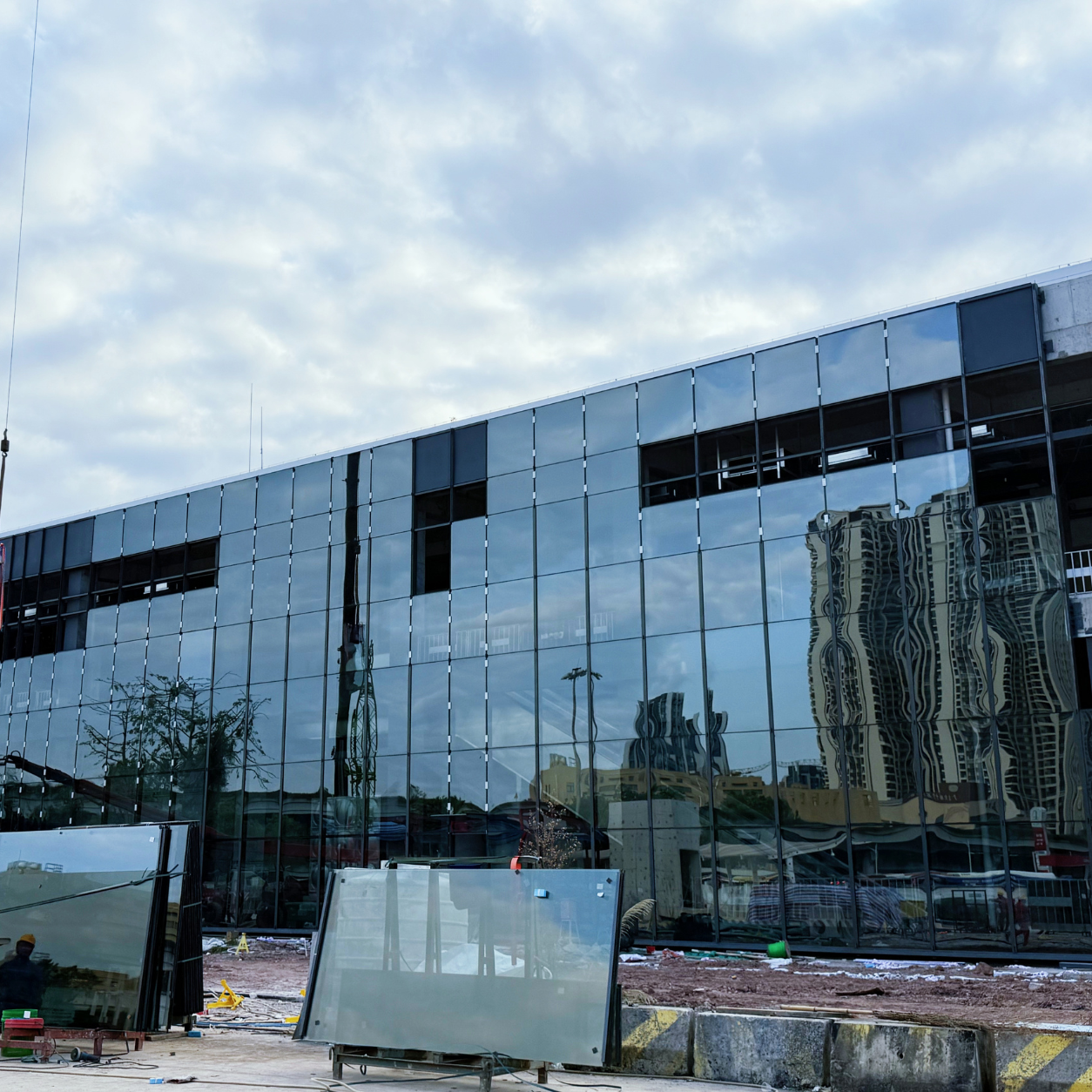
Semi-exposed framing curtain wall
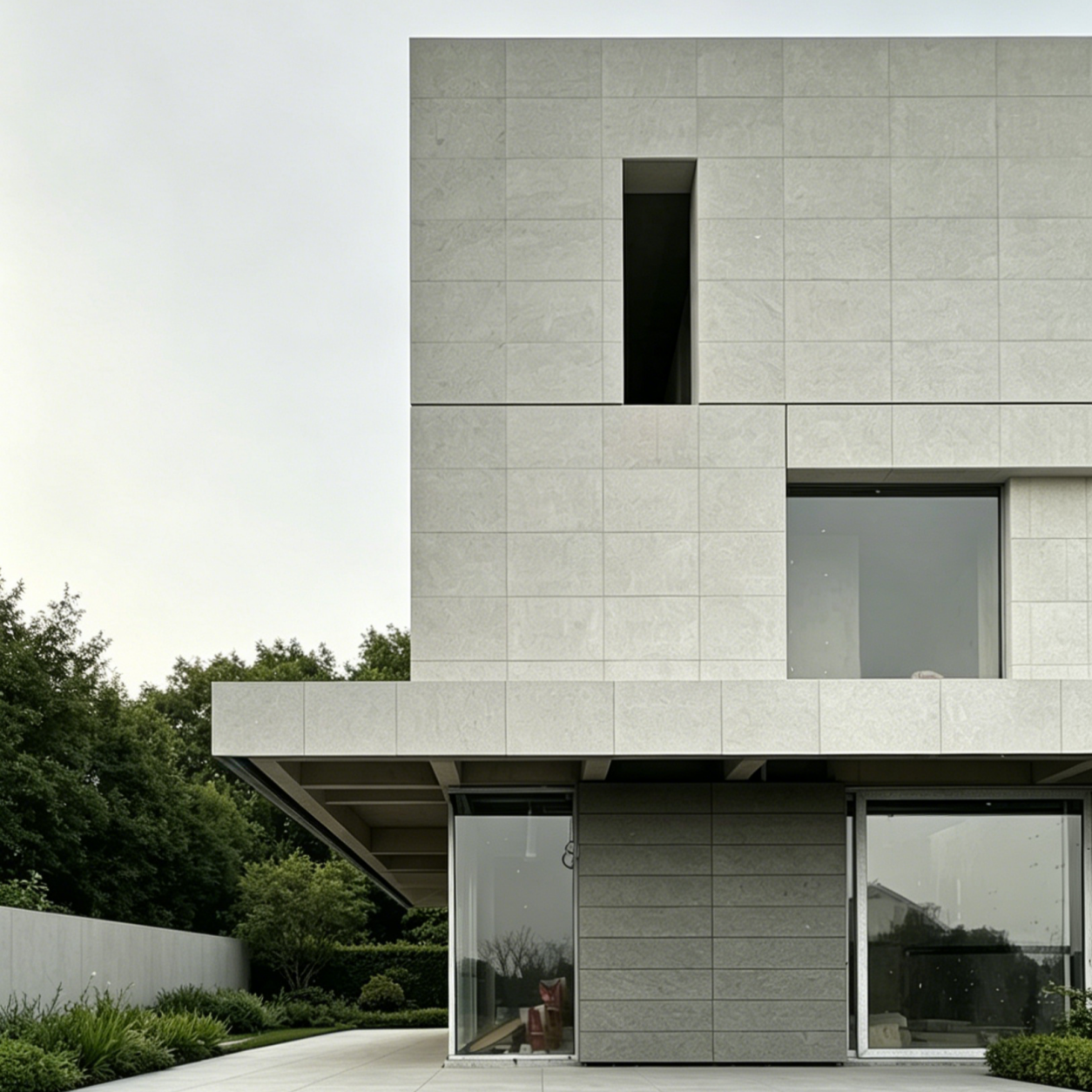
Stone Facade System
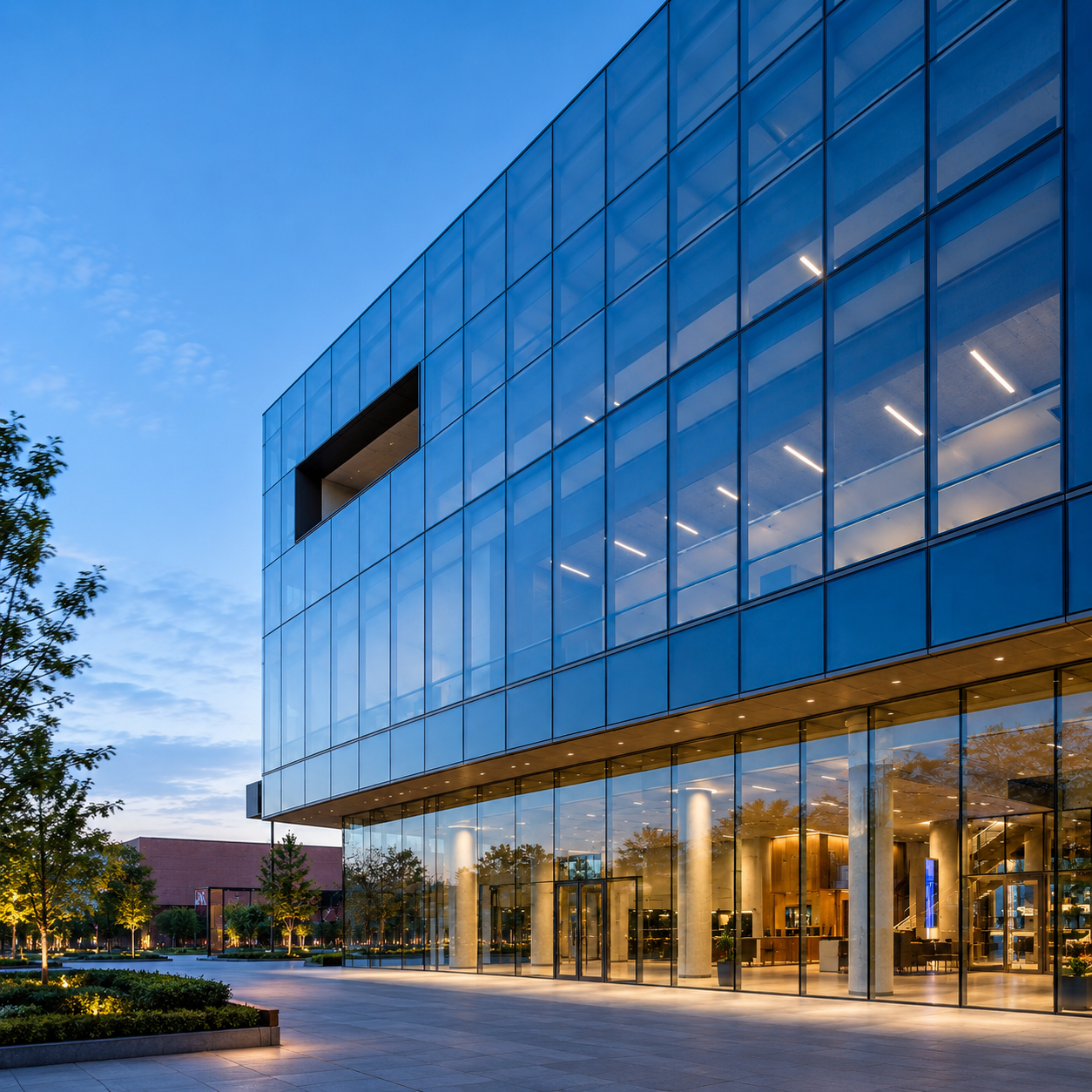
Unitized curtain wall

Building Height and Scale

Installation Conditions

Structural Load Requirements

Elevation Geometry

The Most Suitable Solution

Project Timeline

Coordination with Building Structure

Contact Hihaus consultant
Why choose Hihaus Aluminum glass curtain wall as your first choice?
In Hihaus, Curtain wall is not selected as a product , We provide curtain wall systems as a complete solution:
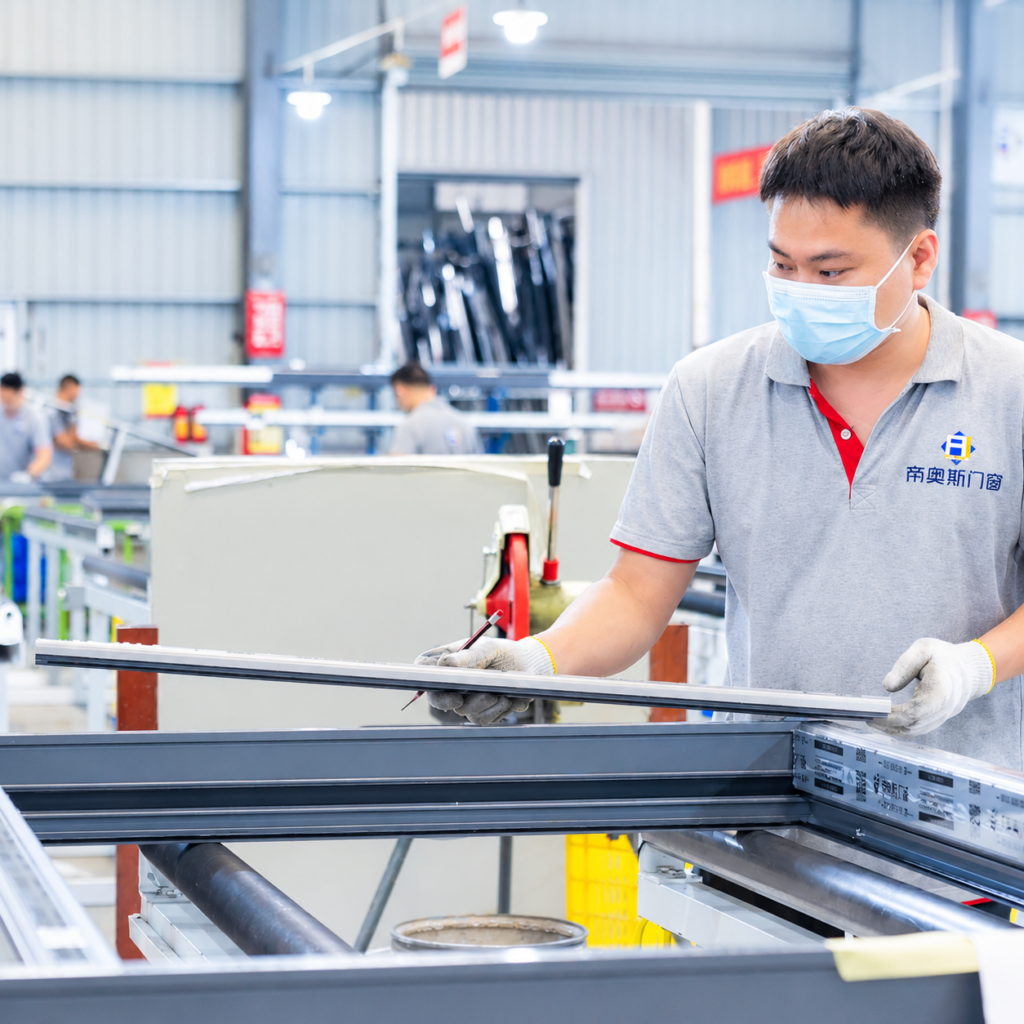
system planning + glass configuration + structural coordination + fabrication + delivery. This ensures the curtain wall design not just on drawings, but on-site.
Hihaus typical curtain wall system combination include:
Concealed frame glass curtain wall
Aluminum curtain wall
Louvers, grilles, and shading systems
Entrance canopy structures
Working with us ensures your curtain wall project is fully guided from start to finish: we provide tailored system recommendations based on your project conditions, develop a complete configuration strategy, deliver fabrication-ready designs, and coordinate production and on-site delivery for a seamless installation.

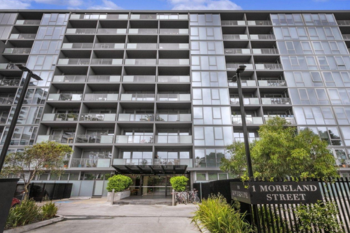
High-End Showrooms
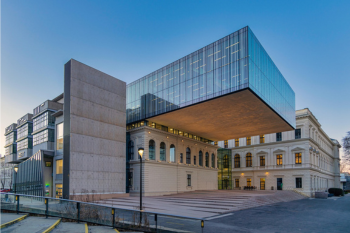
Commercial Architecture
Mixed-Use Developments
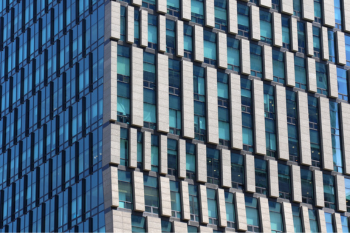
Office Towers
Speak with HiHaus Now
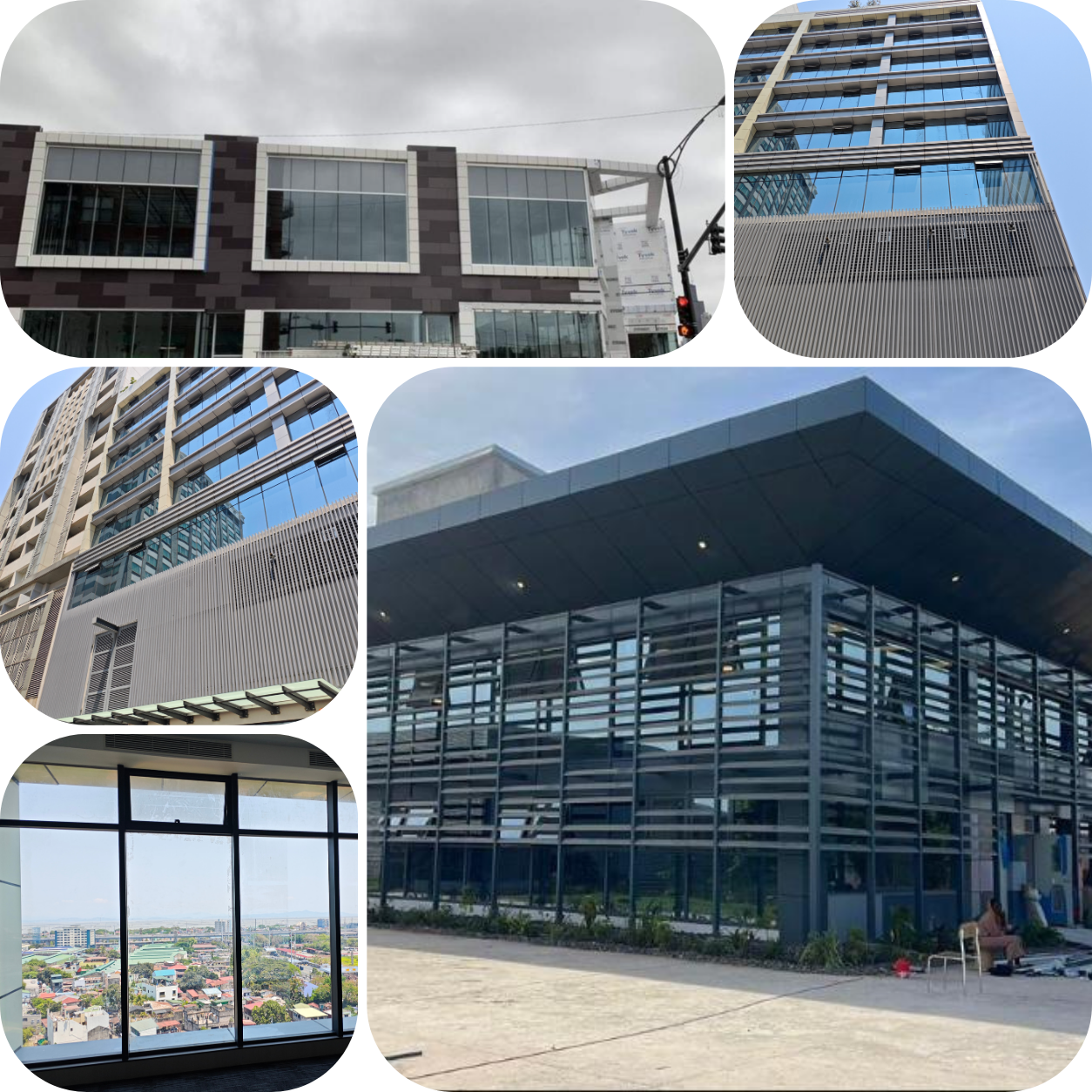
See How the System Comes Together
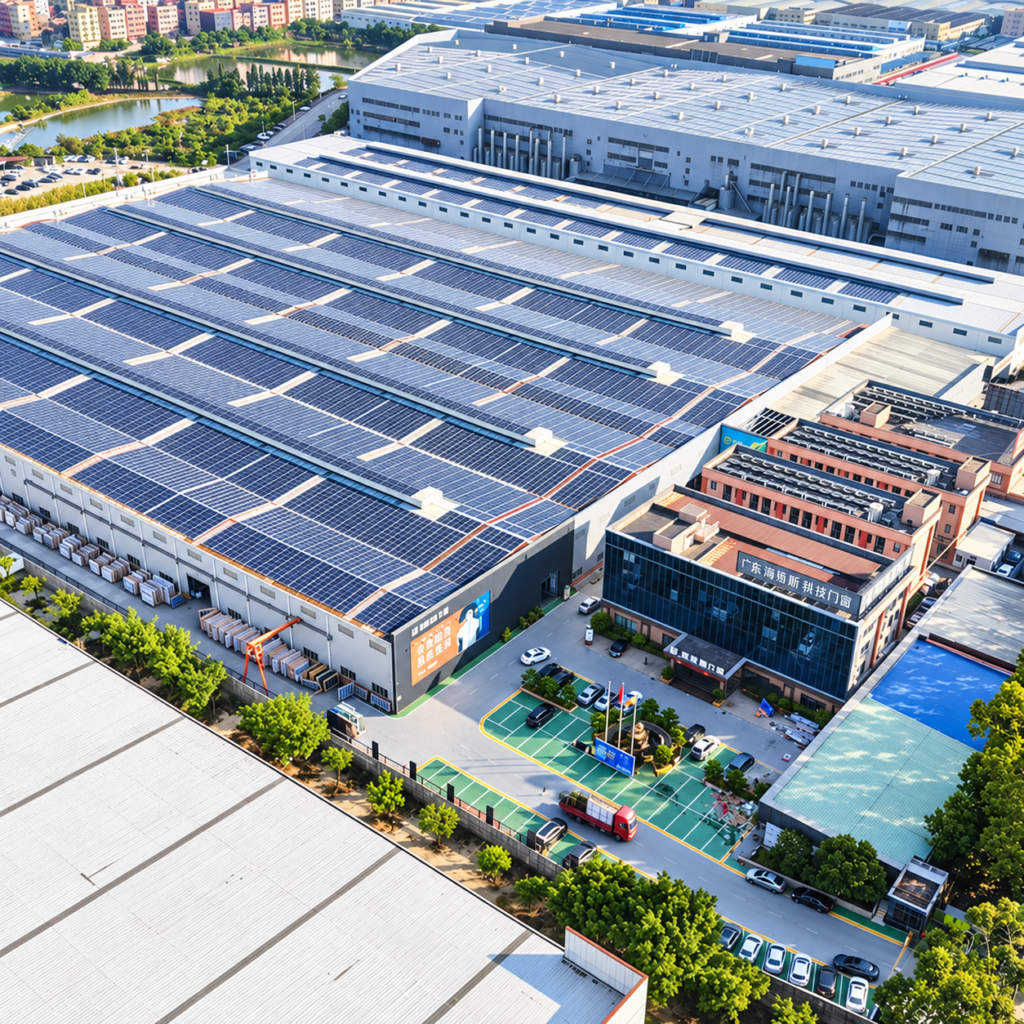
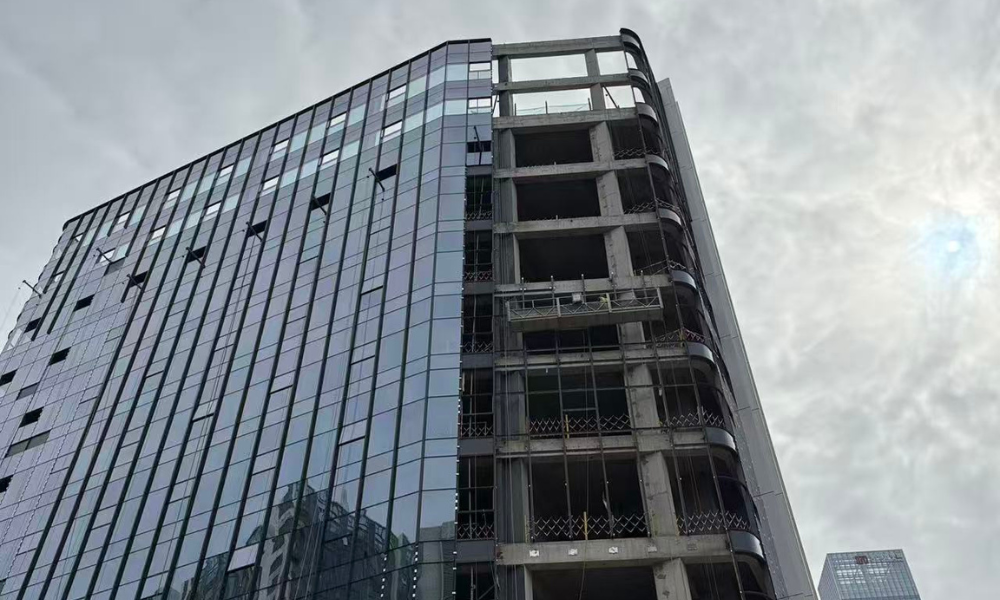
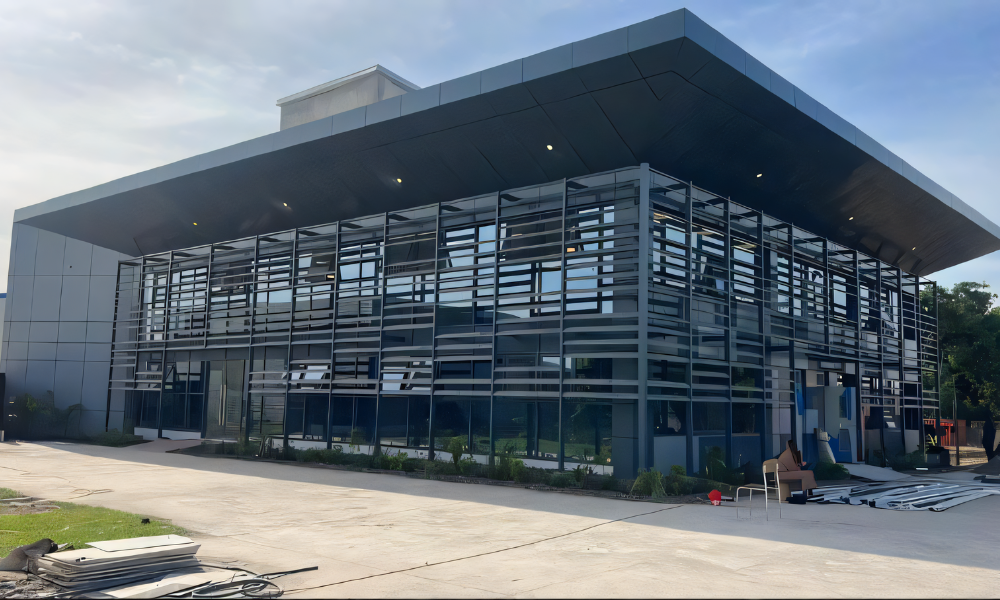
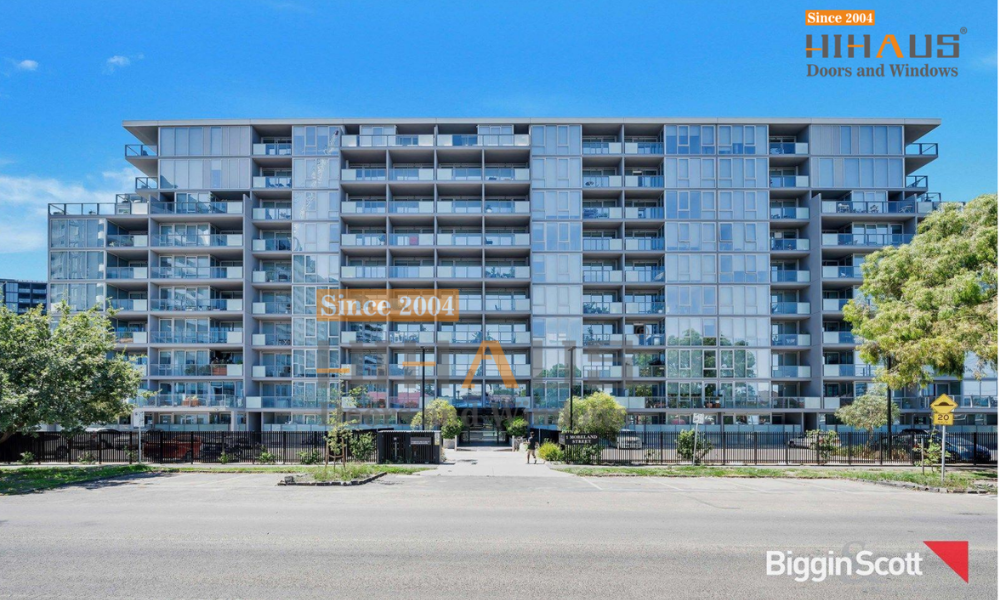
Curtain wall systems are best understood through real assembly and scale. From panel installation on-site to detailed connection nodes and full curtain wall alignment across elevations, each stage shows how the system performs as a whole. These visuals reflect actual construction conditions, helping you evaluate installation logic, structural coordination, and how the curtain wall comes together beyond drawings.
What is the difference between a window wall and a stick curtain wall?
Window wall vs. curtain wall:
A window wall is installed between floor slabs, making it more cost-effective and suitable for residential and mid-rise buildings.
A curtain wall is installed outside the slabs, offering better performance, larger glass areas, and a more seamless look—ideal for high-rise projects.
What are the advantages of curtain walls?
Curtain walls improve energy efficiency, allow more natural daylight, and enhance building performance.They also create a modern glass appearance for commercial and residential projects.
Are there interior curtain walls?
Yes. Interior curtain walls are non-structural glass partitions used to divide spaces while maintaining an open feel. They improve natural light flow and are common in offices, hotels, and commercial interiors.
How many types of curtain walls are there?
There are two main types: stick curtain wall systems (assembled on-site) and unitized curtain wall systems (factory-made). They can also vary by design, such as glass, frame-supported, or point-supported systems.