





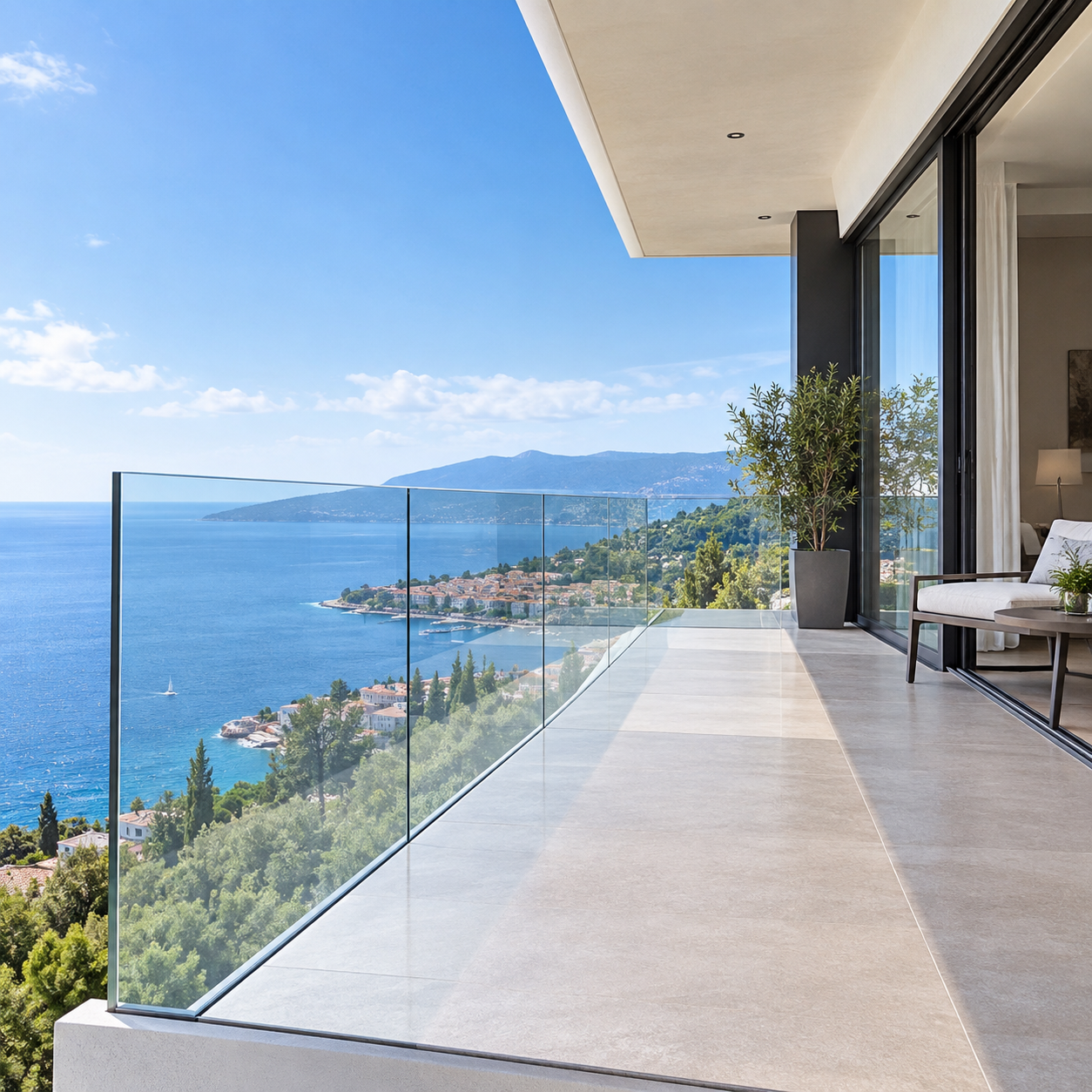
Frameless System
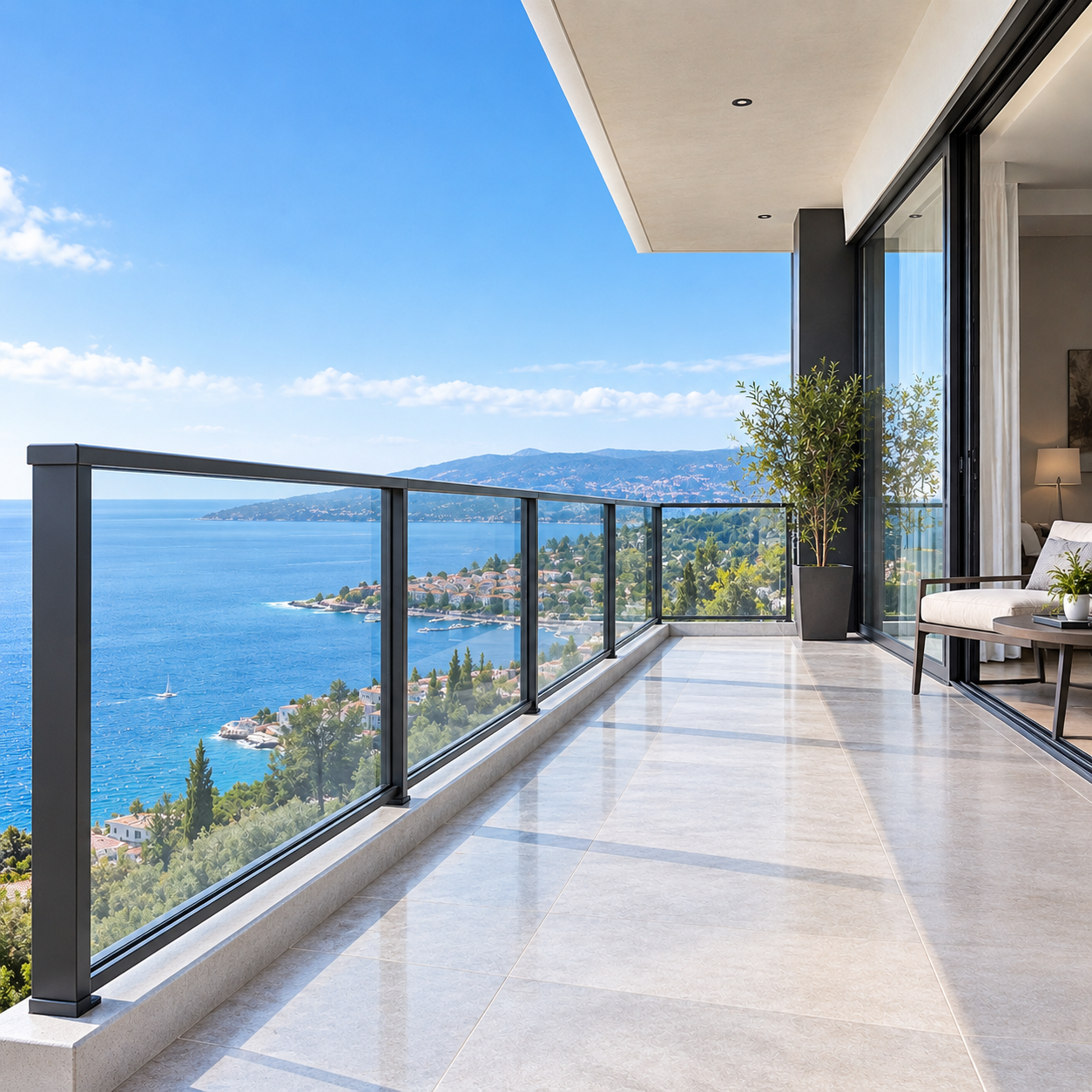
Semi-frameless System
| Catalogue | Product Type | Advantages | Disadvantages |
|---|---|---|---|
|
Frameless Glass Railing |
U-channel glass railing system |
Clean, frameless look High structural stability Easy to adjust glass position during install |
Requires precise floor prep Potential deflection in spans over 10m |
|
Glass clamp railing system |
Cost-effective and widely available Easy to replace individual panels Point load concentration on glass edges |
Less seamless look More hardware to maintain/clean Clamp torque must be set correctly |
|
|
Semi-frameless Glass Railing |
Point-fixed glass railing |
Sleek, minimal appearance Direct load transfer through point fixings |
Requires structural slab or solid substrate Requires precise and skilled installation Less flexible post-install adjustment |
|
Standoff glass railing system |
Mounts to walls or fascia, no floor penetration Great for balconies and side-mounted applications |
Wall/fascia must be structurally sound More complex load calculation required Limited by wall/fascia structural capacity and alignment conditions |

Transparent Pricing with Controllable Costs

Expert Guidance from Design to Installation

Reliable & Thorough Testing

Custom Designs and Premium Surface Finishes

Durable, Long-Lasting Performance

Secure Logistics Packaging

Fast Production & Quick Turnaround

Contact Us for More Value Now
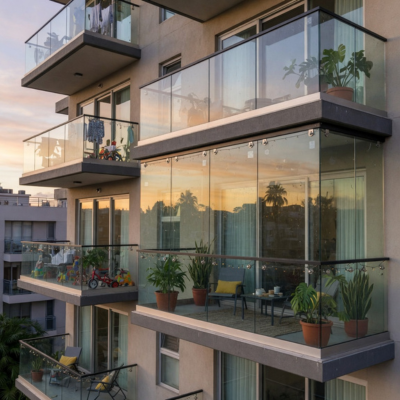
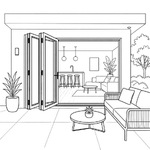
Balconies
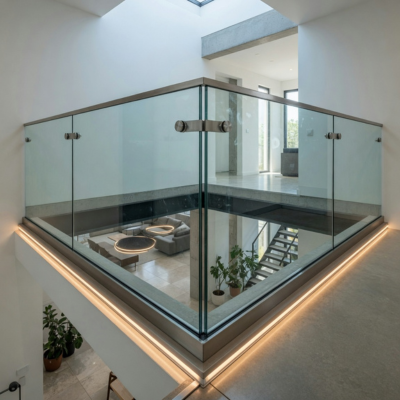
Interior Openings
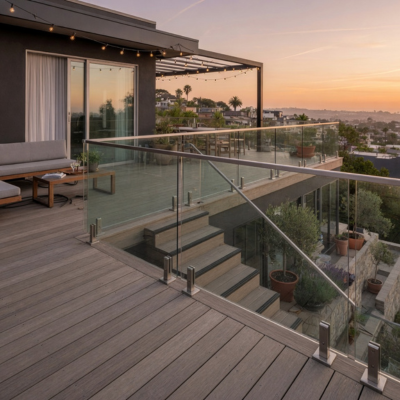
Glass Panel Deck Railing
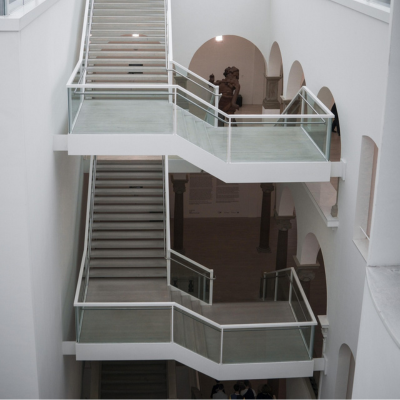
Staircases
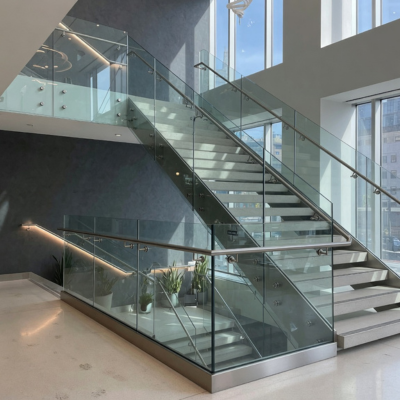
See How It Works in Real Space
How We Support for Your Projects
Before quoting, we conduct a transparent pricing assessment based on your measurements, photos, or technical drawings to accurately identify the railing style, connections, and corner configurations. Once payment is confirmed, we produce detailed fabrication drawings covering dimensions, materials, and specialized fittings. Throughout installation, we provide step-by-step videos and system-specific guidance, with our team on hand to troubleshoot and coordinate remotely if site conditions require adjustments.
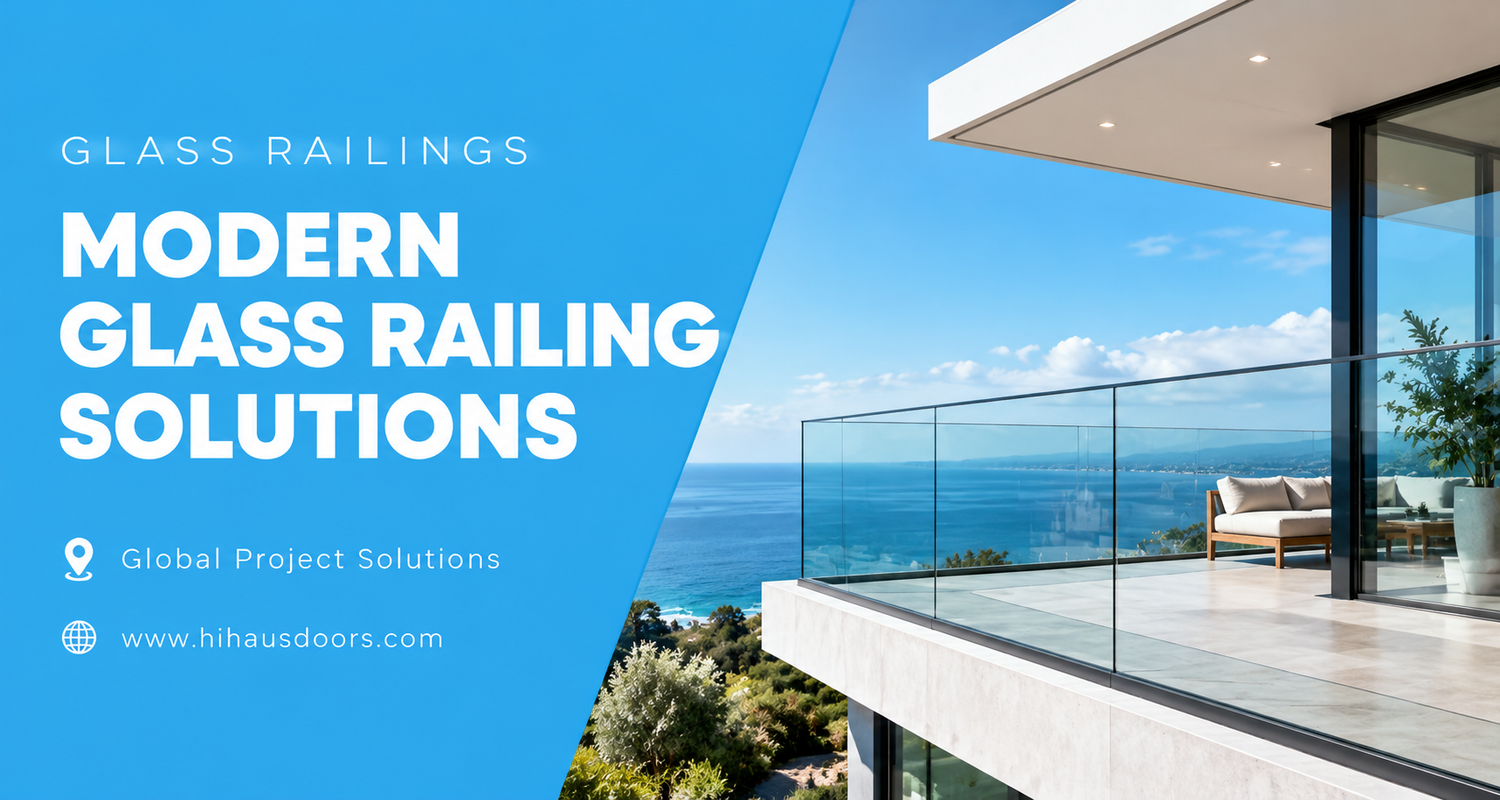
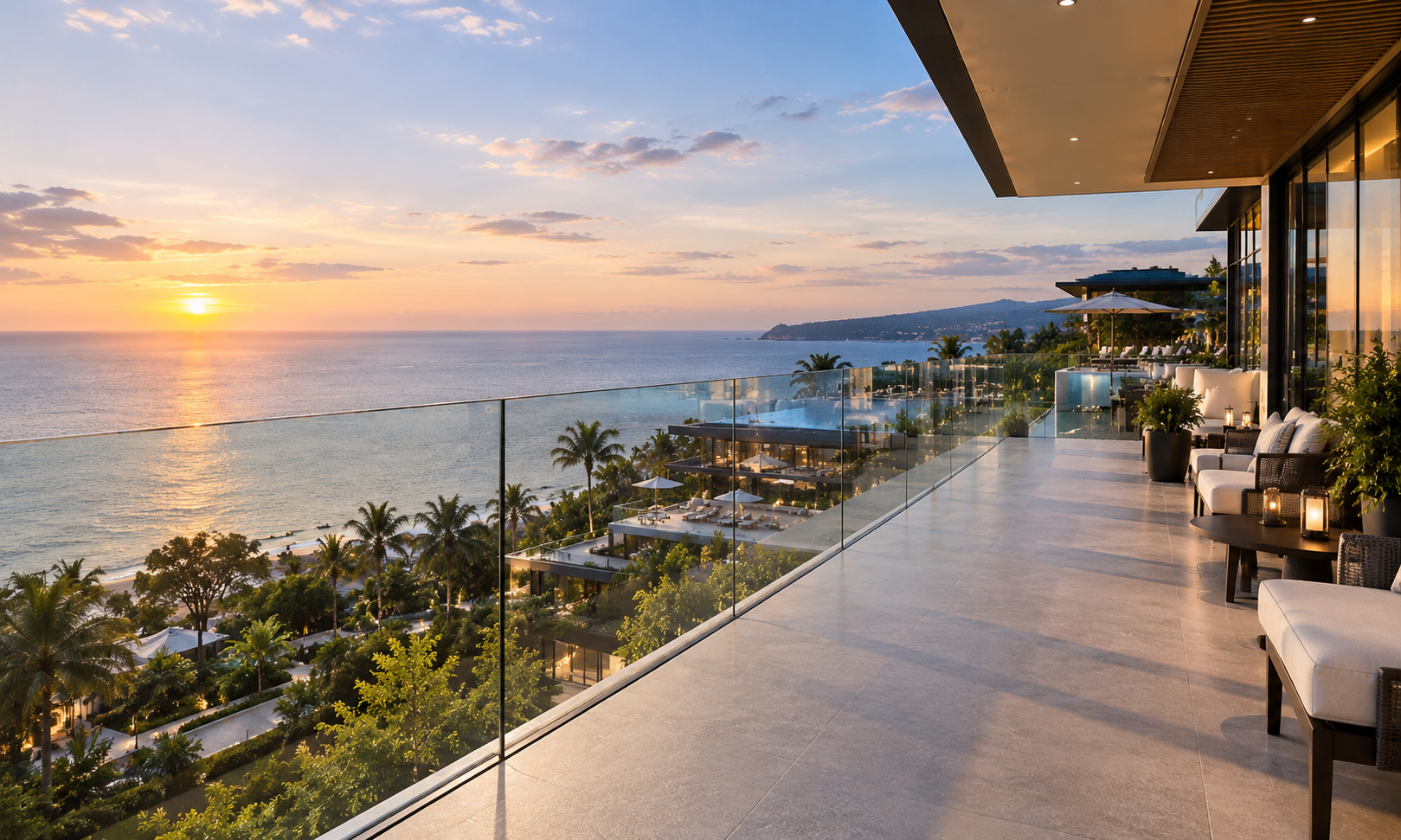
What are the different types of glass railings?
When it comes to glass railing systems, you're really looking at three main options: frameless, semi-frameless, and framed systems. Each one has its own way of holding the glass in place — whether that's through spigots, base shoes, standoffs, or posts — and they each give off a pretty different vibe.
Which one makes sense for you really comes down to a few things: how much you're willing to spend, the look you're going for, where exactly you're putting it in, and — don't overlook this one — what your local building codes actually allow.
How long do glass railings last?
With proper upkeep, glass railing systems can realistically last anywhere from 20 to 30 years. The glass panels themselves tend to hold up for the entire lifespan of the system, which is honestly impressive. The parts that'll need more attention are the sealing systems — expect to replace those every 5 to 10 years — and the hardware, which typically needs some refurbishment every 10 to 20 years depending on the conditions it's exposed to.
Which is cheaper, glass or metal railing?
While glass railings do come with a higher upfront cost compared to iron railings — especially straightforward, no-frills designs — they tend to be the smarter long-term investment. Iron railings, particularly in humid climates or coastal areas, demand ongoing maintenance like repainting and rust prevention treatments, which adds up over time. Glass railings, on the other hand, are much easier to maintain down the road — they won't rust, and they hold up significantly better against corrosion, making them a more hassle-free choice in the long run.
Do glass railings need a top rail?
Glass balusters must always be installed together with a handrail or guard — you can't just put them in on their own. That said, there is one exception: if the glass balusters are made of laminated glass consisting of two or more plies of equal thickness and the same glass type, a top rail may not be required, as long as the building official gives the green light.