-

OUR STORY 
FACTORY 
QUALITY CONTROL 
FAQ 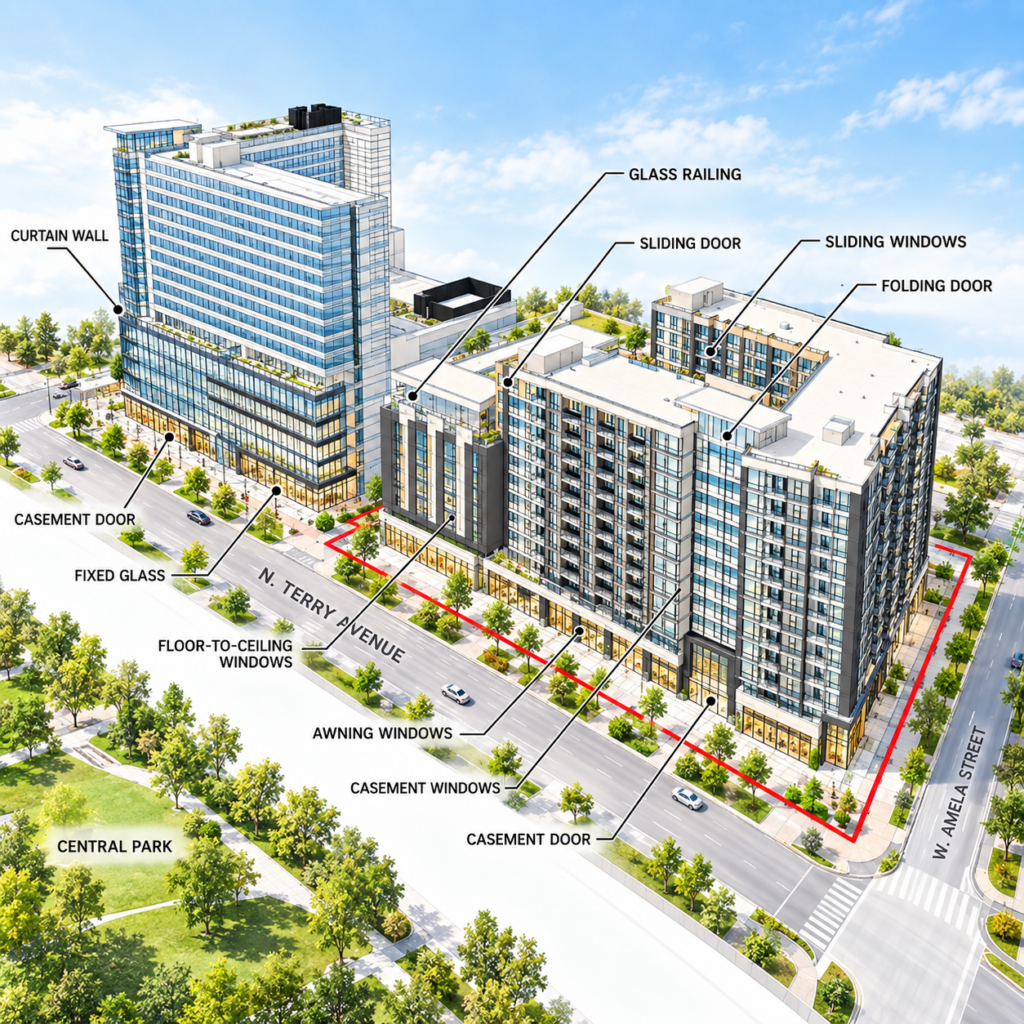
FOR PRO(PROJECT) 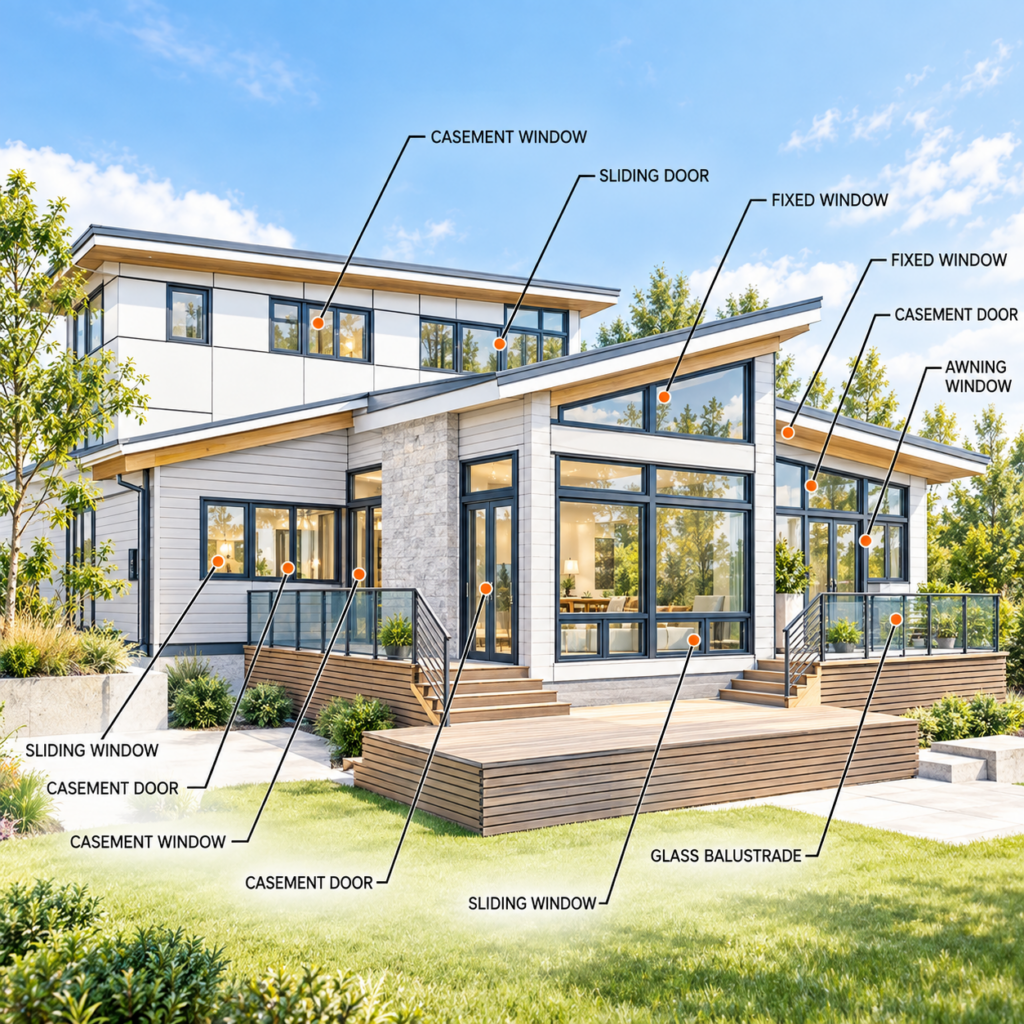
FOR PRO(AGENT)
-
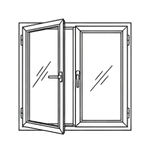
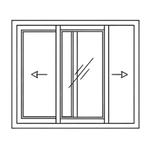
The main distinction is how the window opens. A Casement Window uses side-mounted hinges and opens outward with a hand crank, while a Double-Hung Window moves by sliding vertically and a Sliding Window operates by sliding horizontally within the frame. This design allows casement units to provide wider ventilation openings and a clearer view.
A Casement Window is a vertically oriented window that is attached to its frame with hinges along one side. Unlike traditional window styles, it can swing outward like a door. Most models are operated by an interior hand crank and are secured with a multi-point locking system, helping improve security and weather performance.
You can contact the HIHAUS professional team for detailed pricing, product recommendations, and custom wood door solutions based on your project needs.
To meet different design styles and project requirements, HIHAUS offers a wide range of wood options, including walnut, teak, cherry, red walnut, and oak. Different wood species create different textures, tones, and visual atmospheres for interior and exterior spaces.
Wood is one of the most time-tested materials of all construction materials. They are not only beautiful to look at but also strong and durable, with multi-point locking mechanisms that increase the security of wooden doors.
Interior door trends are moving beyond basic architectural features toward doors that combine aesthetics with functionality. More homeowners and designers are choosing wood doors with soundproof or fire-rated performance for greater comfort and safety. At the same time, new materials such as eco-friendly lacquer-free panels and composite wood doors are gaining attention for their durability, texture, and modern appearance.
Glass balusters must always be installed together with a handrail or guard — you can't just put them in on their own. That said, there is one exception: if the glass balusters are made of laminated glass consisting of two or more plies of equal thickness and the same glass type, a top rail may not be required, as long as the building official gives the green light.
While glass railings do come with a higher upfront cost compared to iron railings — especially straightforward, no-frills designs — they tend to be the smarter long-term investment. Iron railings, particularly in humid climates or coastal areas, demand ongoing maintenance like repainting and rust prevention treatments, which adds up over time. Glass railings, on the other hand, are much easier to maintain down the road — they won't rust, and they hold up significantly better against corrosion, making them a more hassle-free choice in the long run.
With proper upkeep, glass railing systems can realistically last anywhere from 20 to 30 years. The glass panels themselves tend to hold up for the entire lifespan of the system, which is honestly impressive. The parts that'll need more attention are the sealing systems — expect to replace those every 5 to 10 years — and the hardware, which typically needs some refurbishment every 10 to 20 years depending on the conditions it's exposed to.
When it comes to glass railing systems, you're really looking at three main options: frameless, semi-frameless, and framed systems. Each one has its own way of holding the glass in place — whether that's through spigots, base shoes, standoffs, or posts — and they each give off a pretty different vibe.
Which one makes sense for you really comes down to a few things: how much you're willing to spend, the look you're going for, where exactly you're putting it in, and — don't overlook this one — what your local building codes actually allow.