













Why California Luxury Homes Choose the Title 24 Performance Approach?
In California, energy efficiency is an essential consideration in residential construction. Whether building a modern villa or a luxury home with expansive glass walls, homeowners and architects must consider the requirements of California Title 24, the state's building energy efficiency standards.
For customized window and door projects, understanding Title 24 is particularly important because window performance and total glazing area can directly affect a home's energy compliance. Among the available compliance methods, the Performance Approach is often preferred for luxury homes with large glass areas and customized architectural designs.
What Is California Title 24?
California Title 24 is the state's building energy code, designed to improve building energy efficiency and reduce energy consumption. New residential projects must demonstrate compliance with its requirements, including those related to windows, doors, insulation, and building systems.
For residential projects, two common compliance methods are available:
- Prescriptive Approach: Individual building components must meet specified performance requirements, including window and door efficiency standards and applicable glazing area limits.
- Performance Approach: The energy performance of the entire home is evaluated through an energy model. The proposed design must perform as well as or better than the standard reference design.
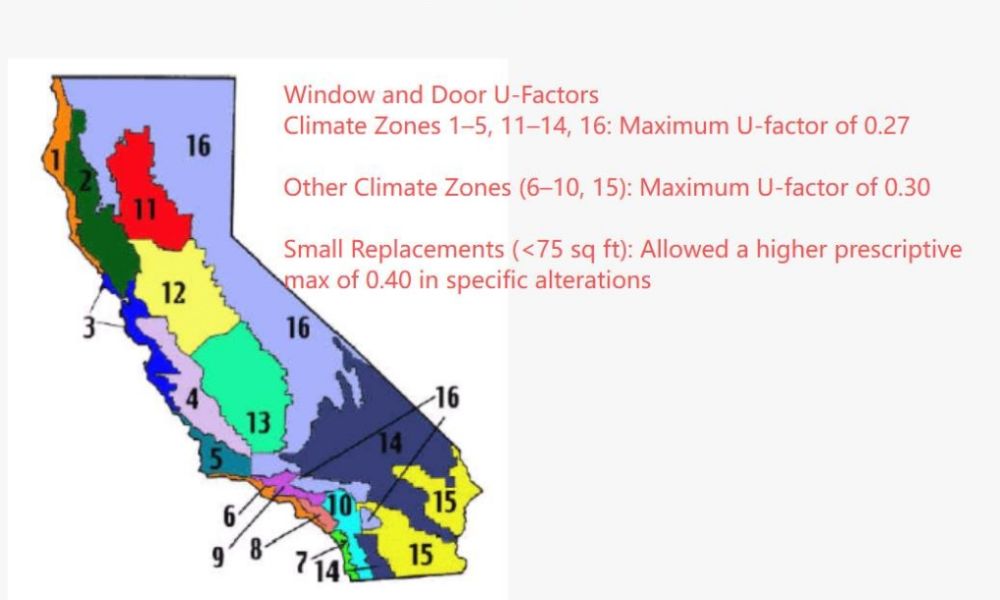
The applicable requirements can vary depending on the project's location and climate zone. Under the 2026 standards, California is divided into 16 climate zones, with different window U-factor requirements applying to different zones.
Why Do Luxury Homes Prefer the Performance Approach?
For standard residential projects, the Prescriptive Approach is often a straightforward compliance option. However, luxury homes frequently feature architectural designs that go beyond conventional building layouts.
Common design features include:
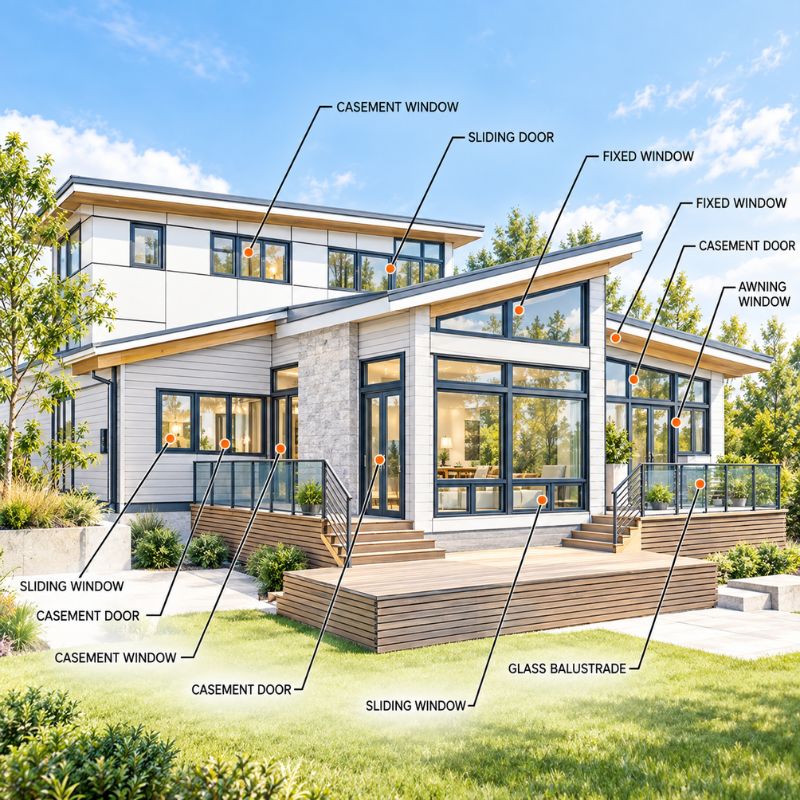
- Floor-to-ceiling glass windows and expansive glass walls
- Oversized multi-slide and lift-and-slide doors
- Corner glass systems and large openings facing outdoor landscapes
- Open-plan living spaces that connect indoor and outdoor areas
Under the Prescriptive Approach, total fenestration area is generally subject to a limit based on the home's conditioned floor area. A commonly referenced benchmark is approximately 20%, although the exact requirements depend on the applicable code and project conditions.
This can become a limitation for luxury homes designed around extensive glazing. Even when high-performance windows and doors are selected, the overall design may not meet every prescriptive requirement.
The Performance Approach offers greater flexibility. Instead of evaluating each component in isolation, it considers the energy performance of the entire home. For example, additional energy demand associated with larger windows may be balanced by improvements elsewhere, such as:
- Better wall and roof insulation
- More efficient HVAC systems
- High-efficiency water heating systems
- Solar photovoltaic (PV) installations
- Optimized building orientation and design
The proposed home's calculated energy performance must meet the applicable standard design requirements. This allows architects and homeowners to retain more of their preferred glass-heavy designs while working toward Title 24 compliance.
What Should Window and Door Suppliers Prepare?
For projects using the Performance Approach, window and door suppliers play an important role in providing accurate technical information to the project's energy consultant.
Typical documentation includes:
- Window and door dimensions and quantities
- Frame types and system configurations
- Glass specifications and glazing combinations
- NFRC performance data, where applicable
- U-factor and Solar Heat Gain Coefficient (SHGC)
- Visible Transmittance (VT), when required
These details help energy consultants evaluate the proposed building design and complete the necessary energy calculations.
How Hihaus Supports California Luxury Home Projects
With 22 years of experience in customized doors and windows, Hihaus has supplied products for more than 100 overseas residential, villa, and commercial curtain wall projects.
We understand that luxury residential projects often require more than standard window and door products. From large sliding glass doors and fixed windows to customized aluminum window systems, our team works with project requirements to provide suitable product configurations and technical information.
For California projects, confirming the applicable Title 24 compliance method early is an important step. Whether the project follows the Prescriptive Approach or the Performance Approach, accurate product specifications and performance data help architects, builders, and energy consultants move forward with greater confidence.
Planning a luxury home project in California? Contact Hihaus to discuss customized aluminum windows and doors for your project.