
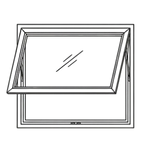
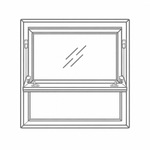
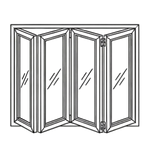







Australia Imposes Anti-Dumping Duties on Aluminum Doors and Windows Exported from China
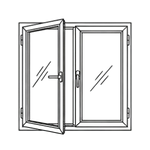
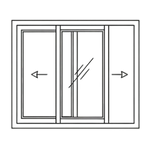
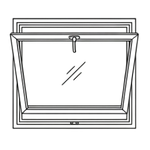
Australia has introduced provisional trade measures on aluminum windows and doors imported from China, marking a significant development for the international construction materials industry. On October 14, 2026, the Australian Trade Remedies Commission (ATRC), formerly known as the Anti-Dumping Commission, published its preliminary findings that certain Chinese aluminum windows and doors had been dumped in the Australian market and had caused material injury to the local industry.
Effective October 15, 2026, affected imports became subject to provisional financial securities covering potential anti-dumping and countervailing duties. Depending on the exporter, the required security can reach 73.3% of the relevant export price, raising concerns about construction costs and the future competitiveness of imported building products.
Why Is Australia Introducing Anti-Dumping Measures?
The investigation began in November 2025 following an application from Australian manufacturer Ventora Group and the Australian Glass and Window Association (AGWA). The applicants argued that low-priced imports from China were putting substantial pressure on Australian manufacturers by undercutting prices and reducing sales opportunities.
According to the Commission's preliminary findings, dumping margins varied by exporter, ranging from 5.3% to 70.4%. The investigation also identified subsidies for certain exporters and concluded that the affected imports had caused material injury to Australia's domestic aluminum window and door industry.
Price competitiveness is a central issue in this dispute. Chinese manufacturers benefit from established supply chains, large-scale production capabilities, and competitive manufacturing costs. Some market participants have described Chinese-made windows and doors as costing approximately one-third of comparable Australian products, although actual prices vary according to specifications, materials, performance requirements, and project scale.
The Commission's findings also highlighted significant price undercutting in Australian tenders and quotations. These findings have intensified debate over how to balance competitive imports, local manufacturing capacity, and the affordability of construction projects.
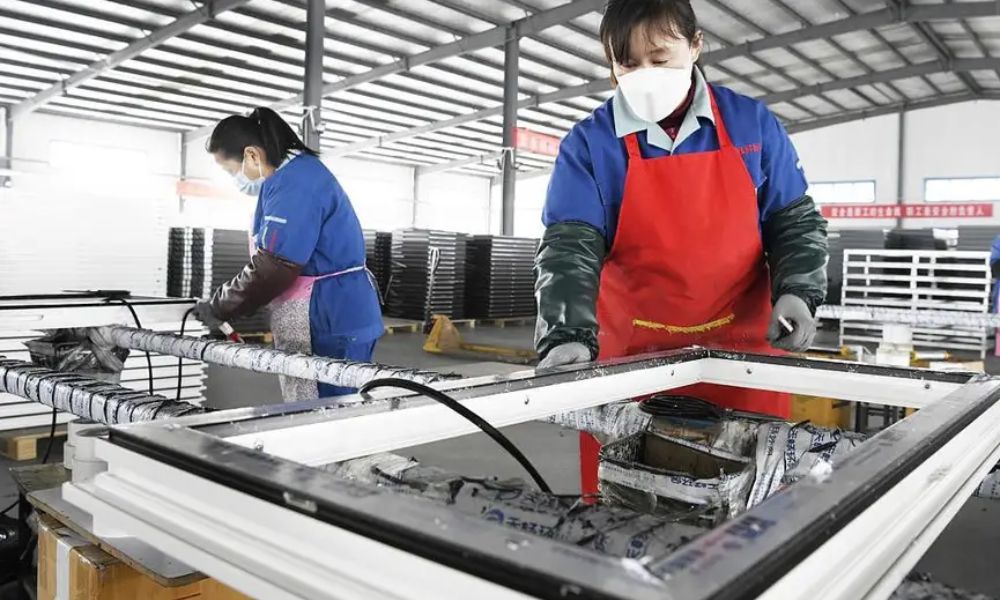
What Are the Provisional Duty Rates for Chinese Aluminum Windows and Doors?
From October 15, 2026, importers of products covered by the investigation must provide financial security against potential duties. The applicable rates depend on the exporter and its level of cooperation with the investigation.
Under the preliminary determination, the rates include:
- 24.4% provisional anti-dumping rate: Applicable to certain cooperating exporters not individually examined, as well as some other cooperating exporters.
- Exporter-specific rates: Certain individually examined exporters are subject to different provisional rates, including 5.3%, 12.1%, 34.8%, and 51.6%.
- Up to 73.3% in combined provisional financial security: For non-cooperating and other unlisted exporters, the preliminary measures include a 70.4% anti-dumping rate and a 2.9% countervailing rate.
One exporter was assigned zero provisional anti-dumping and countervailing rates in the preliminary determination.
It is important to understand that these measures currently involve financial securities against potential duties, rather than a final determination of permanent duty rates. Importers should verify the applicable rate and product coverage with their customs broker or trade compliance adviser before placing orders.
The Commission's final recommendation is due by December 16, 2026, after which the responsible minister is expected to make a decision within the applicable timeframe.
Could the Measures Increase Construction Costs?
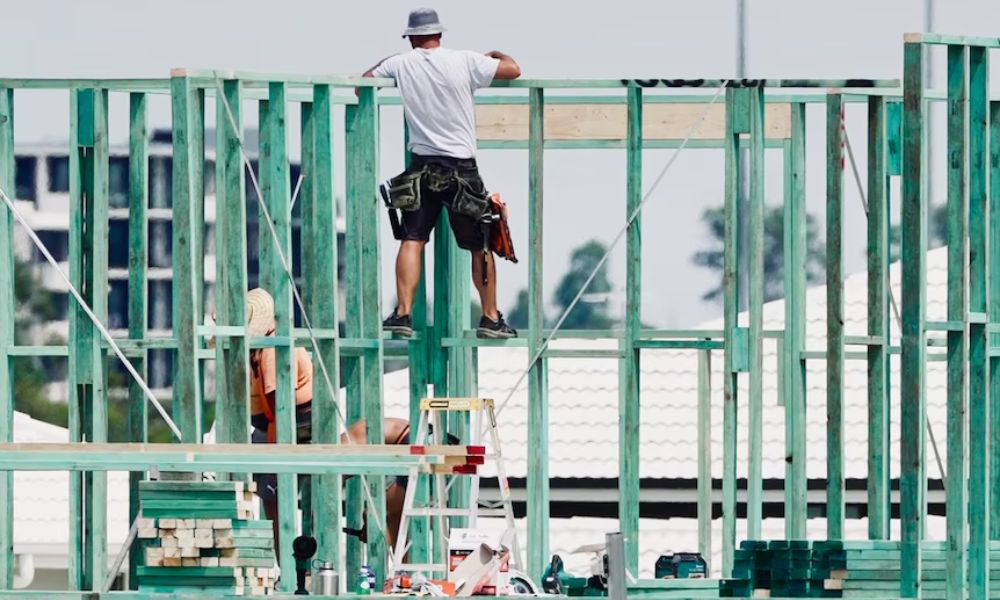
The provisional measures have raised concerns among builders, developers, importers, and other participants in Australia's construction supply chain.
If importers need to provide substantial financial guarantees, the additional financial burden may affect cash flow, landed costs, and pricing decisions. Suppliers and contractors may consequently need to reassess quotations, procurement plans, and project budgets.
For residential developments, villas, and commercial buildings, doors and windows are important components of the overall construction budget. Any significant change in import costs may influence supplier selection and project planning, particularly for developments that rely on customized products or large-volume orders.
There have also been warnings about possible trade tensions between Australia and China. However, the extent of any broader impact will depend on the final determination and subsequent policy developments.
For buyers, the key takeaway is to assess not only the initial product quotation but also the applicable trade measures, customs classification, compliance requirements, and total landed cost.
Are Aluminum Curtain Wall Products Included in the Investigation?
No. Curtain wall products are explicitly excluded from Australia's current aluminum windows and doors investigation.
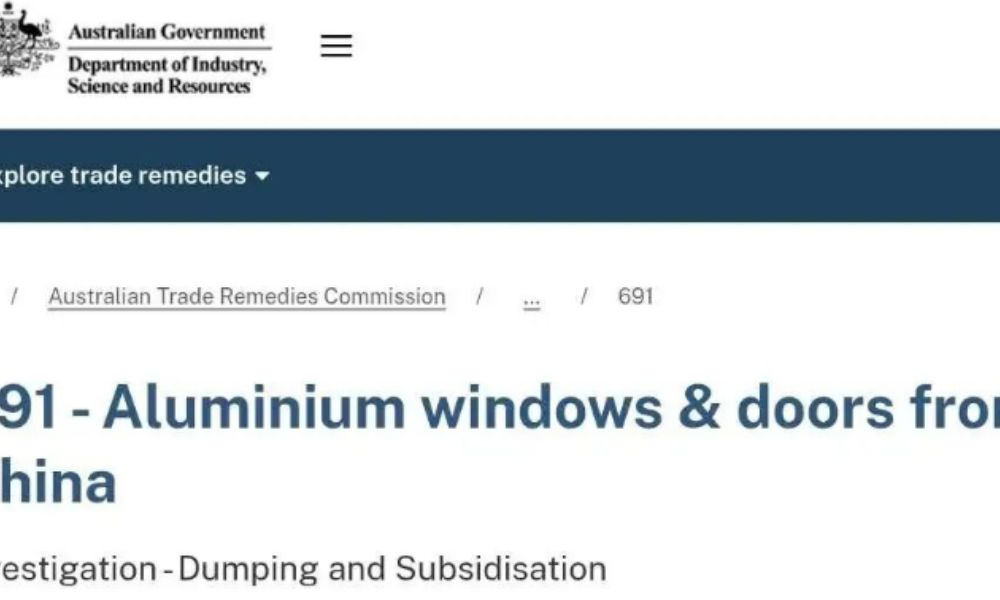
According to the Australian Trade Remedies Commission's official case information, the investigation covers fully or partially assembled aluminum windows and doors within specified dimensional limits. Curtain wall products are expressly excluded from the scope of Investigation 691.
This distinction is particularly relevant for developers, contractors, façade consultants, and commercial construction companies sourcing building envelope systems from China.
Curtain wall projects often require project-specific engineering, structural calculations, customized glass configurations, façade detailing, and coordination with local construction teams. Buyers should nevertheless verify the precise product classification and applicable import requirements for their specific orders, as the exclusion of curtain wall products from this investigation does not automatically exempt every related aluminum product from other trade measures.
Looking for a Reliable Chinese Curtain Wall Manufacturer? Contact Hihaus
With over 22 years of experience in customized doors and windows, Hihaus provides architectural product solutions for residential developments, villas, and commercial building projects worldwide. Our overseas project portfolio includes more than 100 residential, villa, and commercial curtain wall projects.
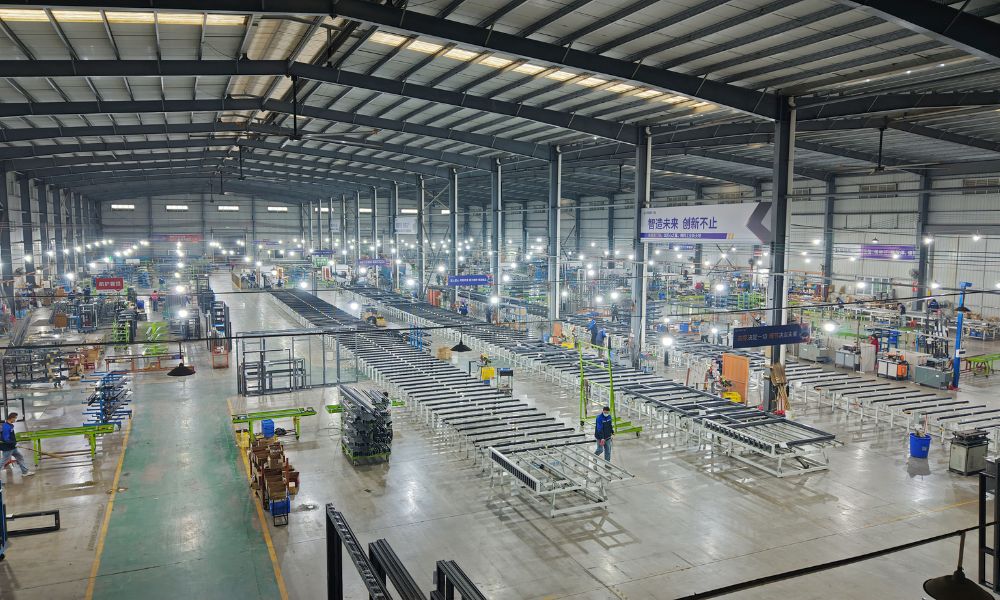
We understand that selecting a supplier involves more than comparing manufacturing prices. Product specifications, engineering support, quality control, customization capabilities, and project coordination all contribute to successful project delivery.
For customers seeking a Chinese supplier for curtain wall systems, Hihaus offers project-oriented support tailored to different architectural requirements. Our team works with customers to understand project specifications, coordinate suitable product solutions, and support communication throughout the project process.
Although Australia's current anti-dumping investigation specifically excludes curtain wall products, importers should always confirm the applicable trade classification and regulatory requirements before importing.
Planning a curtain wall project in Australia or another international market? Contact Hihaus to discuss your project requirements and explore customized façade solutions for your next development.
Disclaimer: This article is for general industry information only and does not constitute legal, customs, or trade compliance advice. Trade measures, product classifications, and applicable rates may change. Please consult the official Australian Trade Remedies Commission notices and qualified advisers for the latest requirements.